
Africa’s Democracy Is Not Collapsing; It Is Being Ignored
Africa’s political crisis in 2025 is not just about coups, disputed elections or angry protests. It is about leaders who have stopped listening and citizens who feel locked out of their own future.
Across the continent, people are speaking clearly. They want fair elections, basic services, and leaders who respond to their needs. Yet again and again, those in power choose force, delay or silence instead of dialogue.
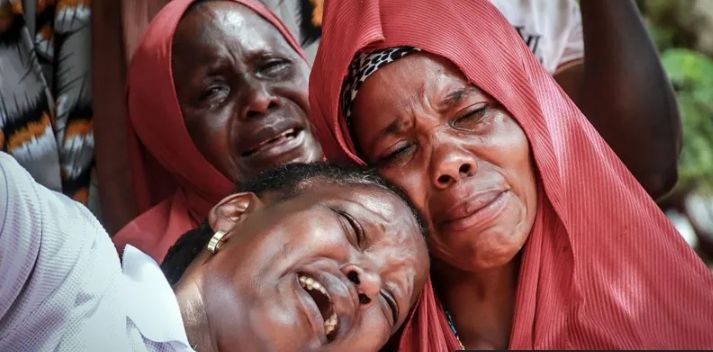
Tanzania shows how quickly trust can be destroyed. When police shot protesters after an election many believed was rigged, the issue stopped being about who won. It became about whether citizens still had the right to question power. A 98% election victory may look strong on paper, but it signals weakness when achieved through fear and exclusion.
This story is repeating itself elsewhere. In Cameroon, a country full of young people, the same leader has ruled for decades. When elections are criticised and protests follow, it is not rebellion for its own sake. It is frustration boiling over after years of being ignored.
Africa’s leaders often speak about stability. But stability without participation is not peace, it is pressure building under the surface.
Some governments learned this the hard way. In Madagascar, young people protested over poor services and were briefly heard when a cabinet was dismissed. But ignoring deeper demands led to a military takeover. Coups are not solutions, but they thrive where civilian leadership fails to respond.
Supporters of military rule argue that soldiers bring order. History shows they bring silence, not accountability.
There were moments of hope in 2025. Malawi, Seychelles, Senegal and South Africa showed that peaceful political change is still possible. Voters used elections, courts and protests to force leaders to listen. These examples matter because they prove that democracy in Africa is not dead, it is uneven.
One major driver of anger is the cost of living. When food, fuel and transport become unaffordable, people stop caring about speeches and start demanding results. Governments that failed to protect citizens paid a political price.
Africa’s youth are at the centre of this struggle. They are informed, connected and impatient with broken promises. They are not asking for miracles. They are asking for jobs, water, healthcare and dignity, things governments are supposed to provide.
International partners also share blame. Western governments once pushed hard for democracy in Africa. Today, distracted by other crises, they focus more on deals than democratic standards. African leaders know this and use it to their advantage.
The result is a dangerous moment. More coups, more protests, and more distrust.
Africa is not facing a leadership shortage. It is facing a listening shortage.
The governments that survive the coming years will not be the ones with the strongest security forces, but the ones that understand a simple truth: power that refuses to hear its people will eventually lose them.





















.jpeg)





































