Clinical Nashville and Ruthless San Diego Show MLS How Games Are Won
Nashville SC and San Diego FC delivered powerful lessons in finishing, game management and defensive discipline after dominant wins over Cincinnati and LA Galaxy.
Two Wins, Two Different Blueprints for Control.
What made Nashville SC and San Diego FC so effective? The answer was not simply goals. Both teams showed how structure, timing and ruthless finishing can turn competitive matches into clear victories.
Nashville's 4-0 win over Cincinnati was a lesson in patience. Sam Surridge struck just before half-time, giving Nashville control at the most important psychological moment. Hany Mukhtar then made it 2-0 in the 54th minute before Bryan Acosta and Ahmed Qasem finished the job late.
Cincinnati did create opportunities, but the numbers showed the bigger problem: attacks did not become enough dangerous finishes. Evander and Ayoub Jabbari tested goalkeeper Brian Schwake late, yet Nashville remained organised. The 10 minutes of added time could have created panic, but instead Nashville scored again.
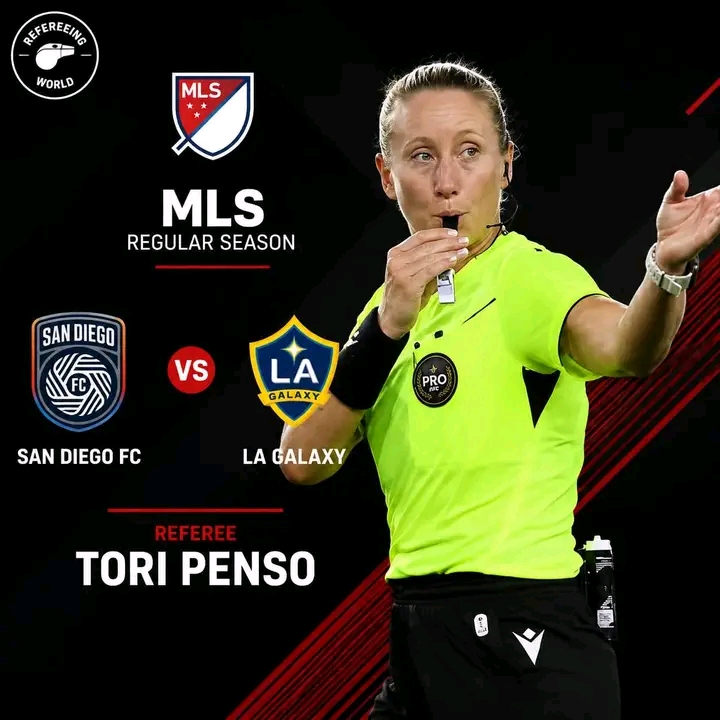
San Diego faced a different challenge against LA Galaxy and still produced a convincing 3-1 victory. Achouri opened the scoring after 11 minutes, while Kieran Sargeant doubled the advantage three minutes into the second half. Hirving Lozano briefly gave Galaxy hope, but Amahl Pellegrino restored San Diego's two-goal advantage in the 70th minute.
The technical lesson is clear. San Diego punished important moments, while Galaxy struggled with defensive concentration. Their late pressure produced shots, but San Diego goalkeeper CJ dos Santos repeatedly stood firm.
For players, these matches show that good football is about making the right decision under pressure. For coaches, game management matters as much as attacking talent. Nashville controlled the danger, while San Diego responded whenever Galaxy threatened.
For fans, the biggest lesson is simple: dominance does not always mean constant possession. It means controlling the moments that decide matches.
Both winners showed that clinical finishing, defensive discipline and composure can turn pressure into points. The losers must improve their final pass, defensive focus and ability to respond before games disappear beyond reach.













.jpeg)