
AI wave puts China’s job promises to the test
China has pledged to expand employment opportunities and protect workers as artificial intelligence reshapes the labour market. However, with millions of graduates entering the workforce each year and automation advancing rapidly, questions remain over whether these promises can realistically keep pace with technological change.
The rapid rise of artificial intelligence is transforming labour markets around the world, and China is now confronting a difficult balancing act: how to protect jobs while also embracing technological innovation.
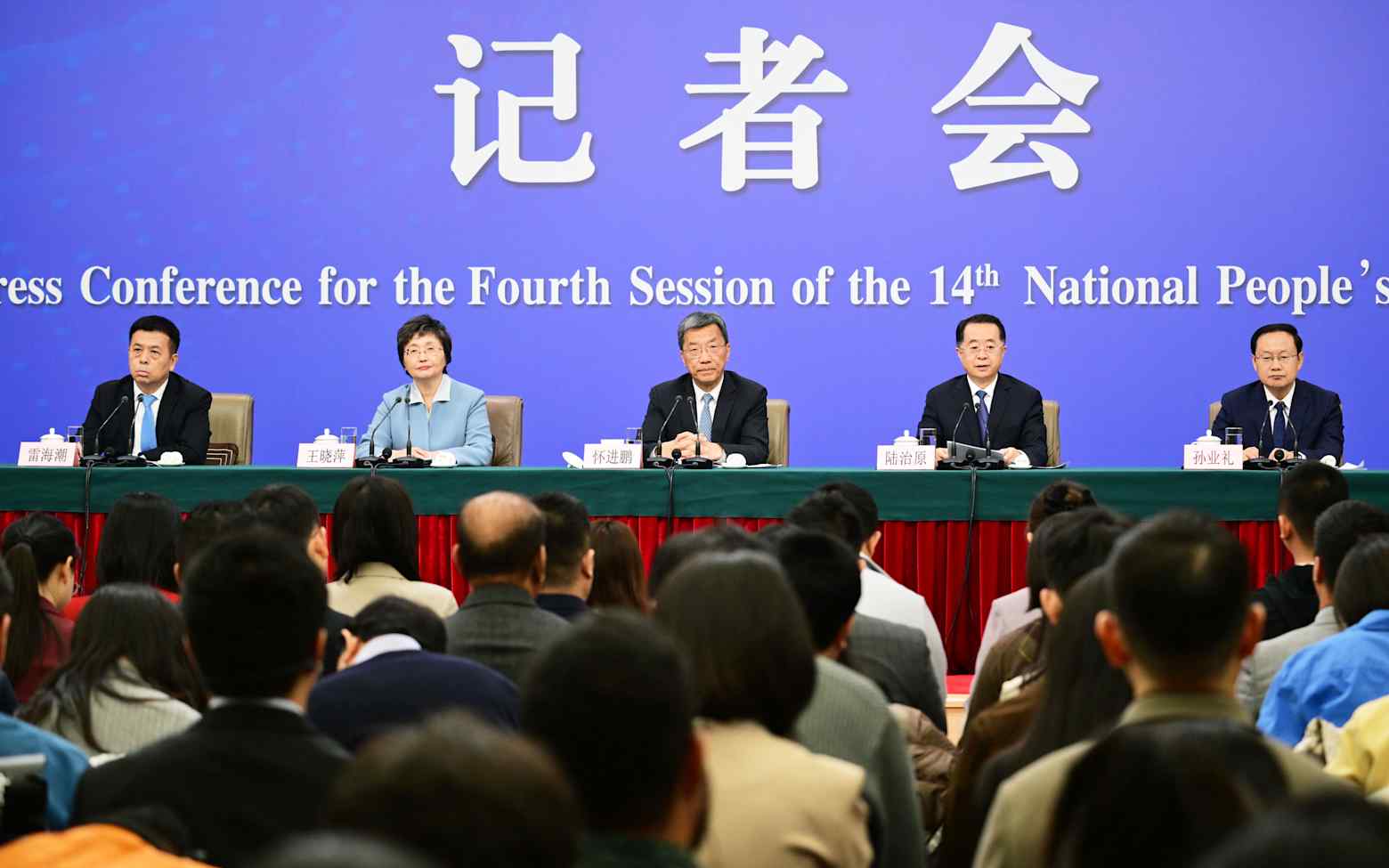
At the annual parliamentary meetings known as the Two Sessions, Chinese officials pledged to expand employment opportunities for young people, graduates and migrant workers as economic pressures and automation reshape the labour market. According to reporting by Channel NewsAsia, China expects about 12.7 million university graduates to enter the workforce in 2026, the highest number ever recorded (Channel NewsAsia reported). This surge of job seekers is occurring at a time when many industries are increasingly adopting AI-driven tools and automation.
The Chinese government has promised to expand internships, strengthen skills training and encourage hiring in sectors such as construction, hospitality and emerging technologies. Wang Xiaoping said employment remains a critical issue affecting households and the nation, adding that authorities are studying policies to ensure artificial intelligence creates new opportunities rather than eliminating them, according to Channel NewsAsia.
However, the reality of AI-driven transformation raises important questions about whether these promises can be fully realised.
The changing nature of work
Artificial intelligence is already reshaping many traditional jobs. Automation tools are increasingly capable of performing tasks once handled by human workers, including data processing, customer service and even creative tasks. This shift is happening not only in China but across the global economy.
As reported by Reuters in various analyses of AI-driven economic change, many companies are adopting AI technologies to increase efficiency and reduce operating costs. While this can boost productivity, it may also reduce the demand for certain types of labour.
In China, the pressure is particularly intense because of the large number of young people entering the workforce every year. The country’s urban youth unemployment rate for people aged 16 to 24 stood at about 16.3 per cent in January, according to Channel NewsAsia. Although this figure is slightly lower than the previous month, it remains relatively high by historical standards.
When millions of graduates compete for limited opportunities, even small disruptions from automation can significantly affect employment prospects.
Can government policies keep up?
China’s approach focuses heavily on skills training and reskilling programmes. Authorities say they are building a lifelong vocational training system that will allow workers to adapt as industries evolve.
More than 230 training “skills ecosystems” have already been established across over 20 provinces, linking job training directly with industry demand, Channel NewsAsia reported. These programmes are intended to help workers transition into new sectors such as robotics, artificial intelligence and digital services.
In theory, such initiatives could help bridge the gap between technological change and job creation. However, reskilling large populations is not an easy task.
Training programmes often take years to produce measurable results, while technological change tends to move much faster. By the time workers acquire new skills, the market may have already shifted again.
The rise of gig work
Another visible effect of labour market disruption is the expansion of gig and platform-based work.
China already has more than 200 million flexible workers, including delivery drivers, ride-hailing operators and online content creators, according to official data cited by Channel NewsAsia. These workers now represent about 27 per cent of the country’s total employment.
While this form of work offers flexibility, it often comes with limited job security and fewer social protections. Recognising this, Chinese authorities have pledged to expand occupational injury protection and encourage gig workers to participate in pension schemes.
Such policies could help improve working conditions, but they also highlight a deeper shift in how employment is structured. Stable, long-term jobs are gradually being replaced by flexible arrangements shaped by digital platforms.
A demographic challenge
China’s labour market is also being reshaped by demographic change. The country’s population has been shrinking since 2022 and is ageing rapidly. By 2035, the number of people aged 60 and above is expected to approach 400 million, according to government estimates reported by Channel NewsAsia.
To address this challenge, the government has begun gradually raising retirement ages and encouraging older citizens to remain economically active.
This policy may help offset labour shortages in some sectors. However, it also means that younger workers will face even greater competition for available jobs.
Will China’s promise succeed?
China’s pledge to safeguard employment reflects a recognition that economic stability depends heavily on job creation. Ensuring that millions of young graduates find meaningful work is essential not only for economic growth but also for social stability.
Yet the success of these efforts will depend on whether job creation can keep pace with technological disruption.
Artificial intelligence has the potential to create entirely new industries, from robotics and data science to digital services and smart manufacturing. If managed effectively, these sectors could generate millions of new jobs.
However, history shows that technological revolutions often produce short-term job displacement before long-term gains appear. Workers whose roles are replaced by automation may struggle to transition into new industries without substantial support.
In China’s case, the scale of the challenge is enormous. With millions of graduates entering the workforce each year and AI evolving rapidly, even strong government intervention may struggle to fully control the outcome.
Conclusion
China’s commitment to expanding employment opportunities demonstrates a proactive approach to managing the impact of artificial intelligence on the labour market. Policies focused on training, innovation and worker protection are important steps in preparing the workforce for the future.
However, the true test will lie in implementation. Artificial intelligence is advancing at a speed that few governments can easily regulate.
Whether China’s vow to safeguard jobs will ultimately succeed remains uncertain. What is clear is that the global employment landscape is entering a new era, one in which human skills, adaptability and continuous learning will become more important than ever.





















.jpeg)





































