
American farmers feel the pinch as fertilizer prices skyrocket
American farmers are facing mounting financial pressure as fertilizer prices surge sharply, driven in part by the escalating conflict involving Iran and its disruption of global supply chains.
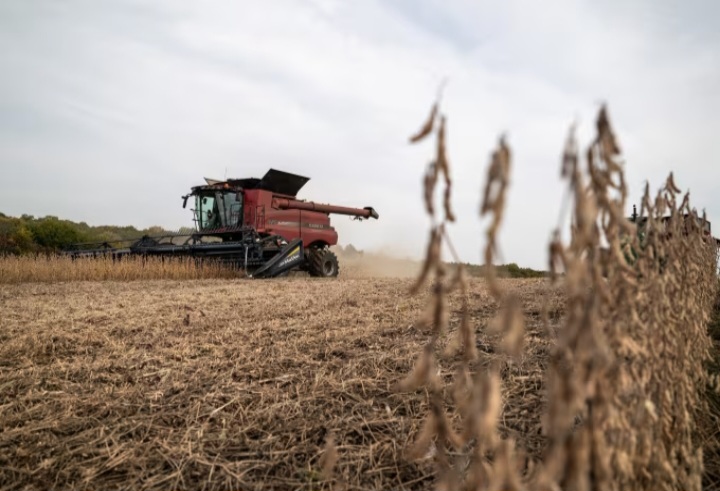
According to reporting by CNN, the war has intensified already rising input costs, with fertilizer and energy prices climbing simultaneously, placing additional strain on farmers who were already grappling with thin profit margins.
At the centre of the crisis is nitrogen-based fertilizer, a critical input for staple crops such as corn and wheat. Global supply disruptions, particularly through the Strait of Hormuz, have restricted exports from key producing regions in the Middle East, pushing prices significantly higher. Reuters reports that nitrogen fertilizers like urea have seen sharp increases, with prices in some markets rising by over 30%, and analysts warning they could double if disruptions persist.
The impact is being felt across rural America. Farmers who rely on nitrogen fertilizers are now paying far more than anticipated during the crucial planting season. In some cases, costs have risen so steeply that farmers are reconsidering what crops to plant, shifting toward less fertilizer-intensive options to manage expenses.
The price spike is closely tied to geopolitical tensions. The Middle East accounts for a significant share of global fertilizer production, particularly urea, and the conflict has hindered both production and shipping. With natural gas, a key ingredient in nitrogen fertilizer, also affected by the crisis, production costs have surged globally, feeding into higher prices for farmers.
For many producers, the situation is becoming unsustainable. Fertilizer is one of the largest input costs in agriculture, and when combined with rising fuel and equipment expenses, it is squeezing already narrow margins. Some farmers report potential losses per acre, while others warn that continued price hikes could force them to reduce fertilizer use, risking lower yields and higher food prices in the long term.
The ripple effects extend beyond farms. Analysts caution that sustained increases in fertilizer costs could contribute to broader food inflation, as higher production expenses are eventually passed on to consumers.
As planting season progresses, American farmers find themselves at the mercy of global events, with little control over the volatile forces driving up the cost of feeding the nation.





















.jpeg)





































