
Australia Commits Billions to Lay Groundwork for Nuclear Submarine Industry
Australia has committed A$3.9 billion (about US$2.7 billion) to begin building infrastructure for a nuclear-powered submarine shipyard in South Australia, marking a key step in the long-term AUKUS security pact with the United States and Britain. The investment forms part of a defence programme expected to cost tens of billions of dollars over several decades.
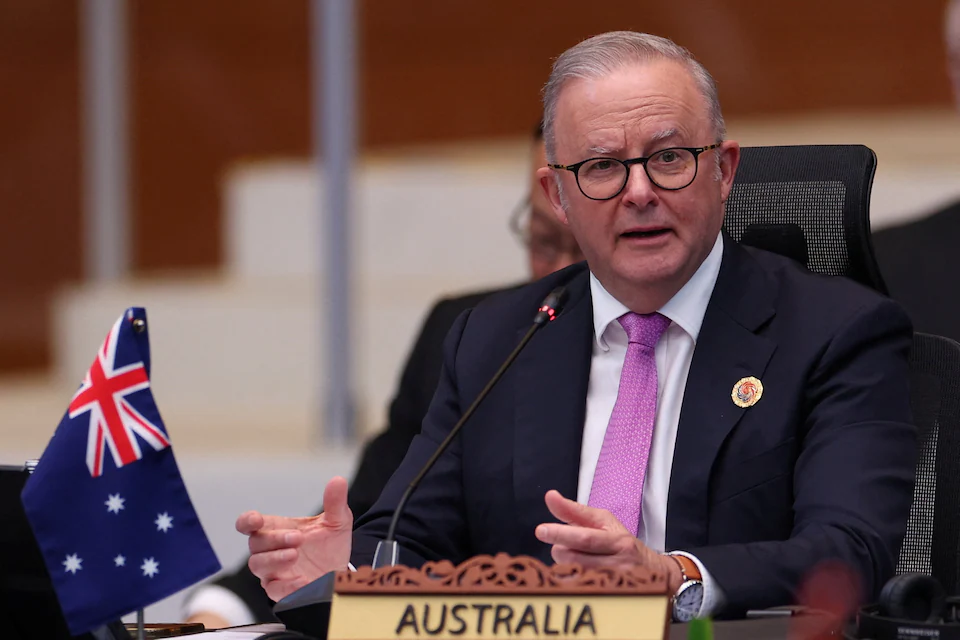
The Australian government has announced a A$3.9 billion (US$2.7 billion) funding allocation to advance early construction works for a nuclear-powered submarine shipyard, as the country moves to establish a domestic submarine-building capability under the AUKUS agreement.
Prime Minister Anthony Albanese said the funding would support preparatory works at the Osborne Naval Shipyard in Adelaide, describing the investment as a necessary foundation for Australia’s future submarine fleet, Reuters reported.
The shipyard will be central to Australia’s plan to acquire conventionally armed, nuclear-powered submarines, a move officials say is aimed at strengthening the country’s long-term maritime defence capacity in the Indo-Pacific region.
Under the AUKUS arrangement, U.S. Virginia-class submarines are expected to rotate through Australian bases from 2027, with Australia set to purchase several vessels in the early 2030s. A new class of submarines, jointly designed with the United Kingdom, is planned to be built in Adelaide later in the programme, according to Reuters.
Government estimates place the total cost of building and equipping the shipyard at around A$30 billion over the coming decades, making it one of the largest industrial defence projects in Australia’s history.
The Osborne facility already supports maintenance of Australia’s existing Collins-class submarines and will be expanded to accommodate nuclear-powered vessels. The build programme is expected to involve ASC Pty Ltd and Britain’s BAE Systems, with thousands of skilled jobs projected over time.
South Australian Premier Peter Malinauskas said the funding would focus on enabling infrastructure needed before major construction begins, calling it an important step toward long-term industrial development in the state.
The announcement follows a U.S. Defence Department review in late 2025, which highlighted the importance of Australia keeping pace with infrastructure and workforce demands required under the AUKUS partnership.





















.jpeg)





































