
Australia sends missiles to UAE, deploys surveillance jet amid Iran tensions
Australia has announced that it will send advanced missiles to the United Arab Emirates and deploy a military surveillance aircraft to the Middle East as tensions with Iran escalate. The government says the move is defensive and aimed at protecting regional allies and Australian citizens.
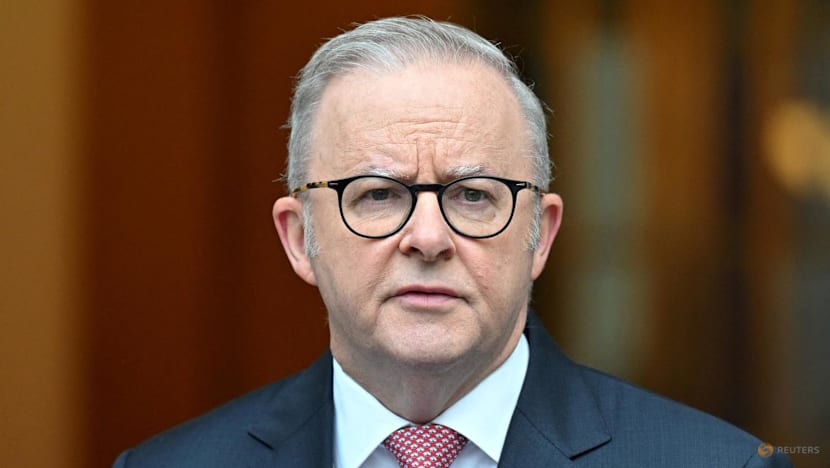
The government of Australia has announced plans to send advanced missiles to the United Arab Emirates and deploy a military surveillance aircraft to the Middle East as regional tensions involving Iran continue to rise.
Prime Minister Anthony Albanese said the move was intended to strengthen defence cooperation with Gulf allies and protect Australian citizens in the region. Speaking to reporters in Canberra on Tuesday, Albanese stressed that Australia would not deploy troops on the ground in Iran.
“Our involvement is purely defensive,” Albanese said, adding that the support was meant to help partners in the Gulf defend themselves while also safeguarding Australians living and working in the region.
According to Reuters, Australia will deploy a Boeing E‑7A Wedgetail airborne early warning and control aircraft for an initial four-week mission to monitor airspace over Gulf countries. The aircraft is designed to provide long-range surveillance and coordinate air defence operations.
In addition to the aircraft deployment, Australia will supply advanced medium-range air-to-air missiles to the UAE. The decision followed a discussion between Albanese and UAE President Mohammed bin Zayed Al Nahyan, who has been coordinating regional security responses.
The development comes as fighting in the Middle East disrupts one of the world’s most important energy routes. The conflict has effectively closed the Strait of Hormuz, a strategic shipping lane through which roughly one-fifth of the world’s oil and liquefied natural gas normally passes.
According to Channel NewsAsia, about 115,000 Australians were in the Middle East when the conflict began nearly two weeks ago. Since then, around 2,600 have returned home on commercial flights as some Gulf cities faced Iranian bombardment.
Australian authorities say the new military support measures are part of contingency planning aimed at stabilising the region and ensuring the safety of civilians and allied states while the wider geopolitical crisis continues to unfold.





















.jpeg)





































