
Bangladesh Faces Backlash Over Scrapping Key Post-Protest Reforms
Bangladesh’s new parliament has отменed and allowed several reform laws to lapse, raising fears that the country is reversing gains made after the 2024 student-led uprising that removed former Prime Minister Sheikh Hasina.
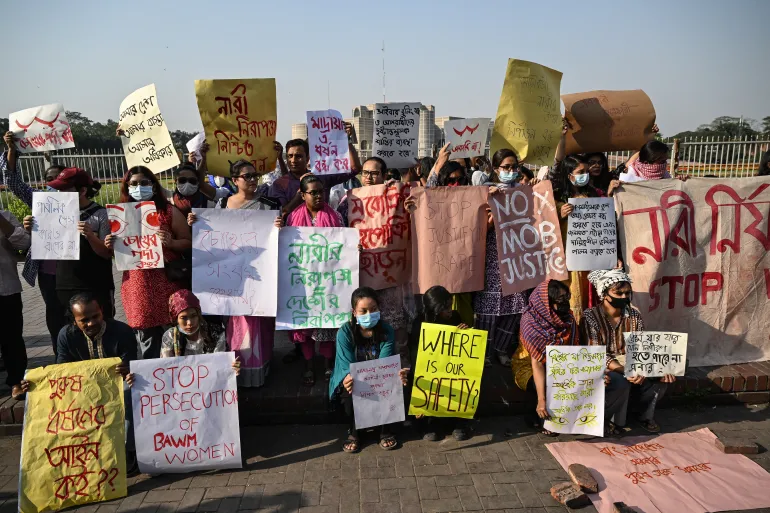
Bangladesh’s parliament has rolled back a number of key reforms introduced after the 2024 student-led uprising, sparking concern among opposition groups and analysts about the country’s democratic direction.
According to Al Jazeera, lawmakers reviewed 133 ordinances introduced by an interim administration led by Muhammad Yunus following the removal of Sheikh Hasina. While most were approved, at least 23, many linked to accountability and human rights, were either repealed or allowed to expire.
The current parliament, dominated by the Bangladesh Nationalist Party, maintains that the move is part of a legal review process. However, critics argue it weakens reforms aimed at reducing political interference and strengthening oversight institutions.
Among the most significant changes is the reversal of reforms to the National Human Rights Commission. According to Al Jazeera, the earlier ordinance had expanded the body’s powers to investigate abuses by security forces independently. Its repeal means the commission now operates under older laws that limit such authority, raising concerns about transparency and accountability.
Reforms addressing enforced disappearances have also been affected. According to Al Jazeera, the dropped ordinance had sought to formally define the crime and establish legal procedures for prosecution. Without it, experts warn that many cases may fall into a legal grey area, making justice harder to achieve for victims.
Judicial reforms have also been stalled. Proposals to create an independent system for appointing judges and managing the courts were not retained. Analysts say this could allow continued executive influence over the judiciary, which has long been a point of concern in the country.
Government officials insist the changes do not signal a retreat from reform. Home Affairs officials, as reported by Al Jazeera, say some laws required further consultation and would be reintroduced in a more refined form after engaging stakeholders. However, opposition leaders have rejected this explanation, warning that the decisions undermine commitments made after the uprising. Some have already called for protests, arguing that the rollback keeps power concentrated and weakens accountability mechanisms.
The reforms were originally part of a broader framework known as the July National Charter, which was supported by multiple political parties and endorsed in a referendum earlier this year. The charter aimed to reshape governance by strengthening institutions and protecting human rights.
Analysts say the current developments reflect a deeper political struggle over how power should be distributed in post-uprising Bangladesh. According to Al Jazeera, concerns remain that weakening these reforms could erode checks and balances and slow progress toward democratic consolidation. The government is expected to begin consultations on revised laws in the coming weeks, but tensions remain high as both parliament and the public debate the future of the country’s reform agenda.





















.jpeg)





































