
Bangladesh PM Moves to Curb Ramadan Price Hikes
Bangladesh’s new Prime Minister has pledged firm action to keep food prices stable during Ramadan, strengthen the rule of law and revive economic confidence following his party’s sweeping election victory.
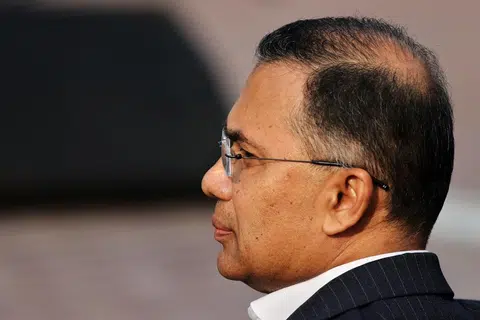
Bangladesh’s newly sworn-in Prime Minister, Tarique Rahman, has pledged immediate steps to control rising prices of essential goods as the Muslim holy month of Ramadan begins.
In his first televised address since taking office on Tuesday, Rahman warned traders against profiteering and said staple foods must remain affordable for ordinary citizens. According to Reuters, he stressed that Ramadan should not become a period of increased hardship due to artificial price hikes.
Bangladesh has been battling elevated inflation, with official figures showing annual inflation at 8.58 per cent in January 2026, the highest since May last year. Food prices in particular have continued to strain household budgets.
Rahman said his administration would act against market syndicates accused of manipulating supply chains and inflating costs. He added that mechanisms would be strengthened to protect both consumers and legitimate businesses.
Beyond price stability, the prime minister outlined broader priorities, including restoring political stability, enforcing anti-corruption measures and ensuring that governance is guided strictly by law. “The rule of law will be the final word in governing the state,” he said, as reported by Reuters.
The 60-year-old leader, son of former prime minister Khaleda Zia and late president Ziaur Rahman, assumes office at a sensitive time for the South Asian nation.
Bangladesh is recovering from political unrest in 2024 that led to the fall of the government of former premier Sheikh Hasina. The unrest affected investor confidence and disrupted key economic sectors.
Rahman also announced plans to expand and modernise the national railway network and improve coordination across transport ministries to create a more integrated system aimed at easing urban congestion and boosting connectivity.
His early policy direction signals a focus on stabilising the economy and restoring public trust as his administration begins its term.





















.jpeg)





































