
Burkina Faso Mother Loses Four Sons to Jihadist Violence, Daughter Still Missing
A 57-year-old Burkinabè woman now in a refugee camp in northern Ivory Coast recounts how armed jihadists killed her four sons during a brutal assault on her village in 2022 and how her daughter has not been found since.
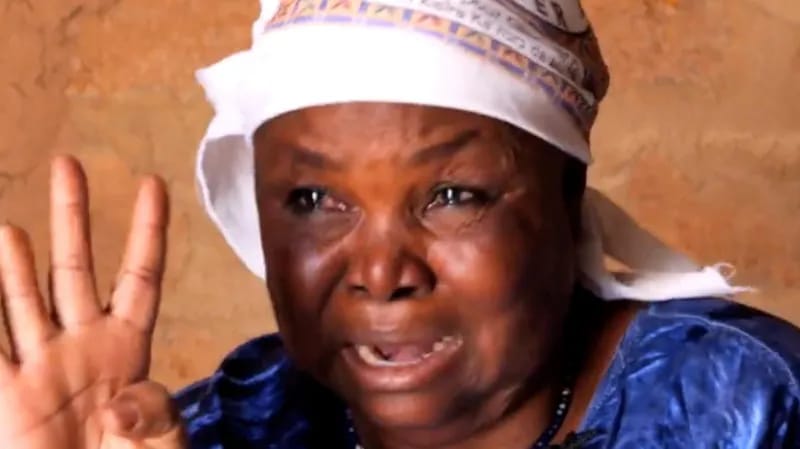
A mother who lost four sons to jihadist fighters in her home country of Burkina Faso says she still does not know the fate of her daughter after the attack that tore her family apart, according to a BBC report.
In 2022, armed insurgents overran Yameogo Aminata’s village in central Burkina Faso while she was away, seizing cattle and land and carrying out violence against residents. When she returned to the village, she found her sons, aged between 25 and 32, being killed by the attackers. “They slit the throats of four of my children,” Aminata told the BBC, describing how all four were murdered in front of her.
Aminata attempted to intervene by grabbing a knife, but was beaten, thrown into the bush and left with serious injuries to her head, shoulder and throat. During the chaos, her daughter became separated from her and has not been seen since, she said.
After the attack, Aminata fled across the border to northern Ivory Coast, where she now lives in the Nioronigué refugee camp, established with support from the United Nations and Ivorian authorities. The camp, designed to shelter around 6 000 people, now holds thousands more displaced by the conflict.
Despite being given shelter, Aminata struggles to cope with her losses. She keeps the blood-stained clothes from the day her sons were murdered as a reminder of the brutality she witnessed. “I don’t know how to handle my life. I have nothing,” she told the BBC.
The violence that shattered Aminata’s family reflects a larger crisis in Burkina Faso, where jihadist insurgents linked to militant groups have terrorised communities for over a decade. Armed groups linked to both al-Qaeda and Islamic State have carried out repeated attacks on villages, forcing thousands of families to flee their homes. The United Nations and other international agencies say the ongoing conflict has displaced millions of people across the Sahel.
The influx of Burkinabè refugees into the border regions of neighbouring Ivory Coast has placed a strain on humanitarian resources and local communities, according to reports. Many refugees are housed in camps like Nioronigué or sheltered by host families in the region, where basic services remain stretched.
Aminata’s story is one among countless others in the Sahel whose lives have been upended by sustained violence. She continues to hold out hope for peace in Burkina Faso and for news of her missing daughter, but the absence of information about her daughter’s fate weighs heavily on her. “We just pray to God that peace comes back to Burkina Faso,” she said.





















.jpeg)





































