
Can India Challenge Global Chip Giants in the Semiconductor Race?
India is accelerating its push into semiconductor manufacturing as domestic demand for chips doubles and global firms seek alternatives to China, but experts say major challenges remain before the country can compete with established leaders like the US, Taiwan and China.
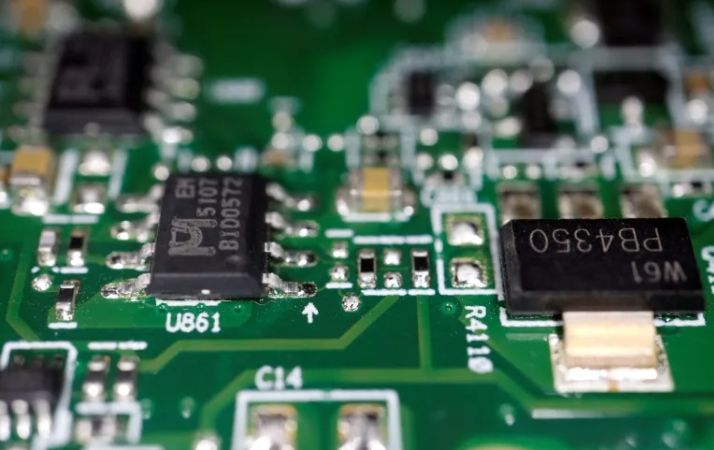
India is stepping up efforts to position itself as a serious player in the global semiconductor industry, aiming to benefit from rising domestic demand and shifting international supply chains.
In October, Kaynes Semicon, a small electronics manufacturer based in Gujarat, shipped its first batch of chip modules to a client in California. The milestone marked a tangible outcome of India’s $10bn semiconductor incentive programme launched by Prime Minister Narendra Modi in 2021.
Working alongside Japanese and Malaysian technology partners, Kaynes assembled the chips at a new facility backed by government incentives. The move reflects India’s broader ambition to become an additional manufacturing hub for global companies looking to diversify production beyond China.
India’s push is driven in part by soaring local demand for chips, which is projected to double from $50bn to $100bn by 2030. To meet that demand, the country is investing heavily in chip assembly, testing and packaging — segments where barriers to entry are lower than advanced chip fabrication.
A key development is India’s first commercial foundry for mature semiconductor chips, currently under construction in Gujarat. The $11bn project is a joint effort between Tata Group and Taiwan’s Powerchip Semiconductor Manufacturing Corporation (PSMC), which is providing technical support and expertise.
The foundry has already attracted interest from major international players. In December, Tata Electronics signed an agreement with US chip giant Intel to explore manufacturing and packaging opportunities at its upcoming facilities, including the Gujarat plant. The partnership is aimed at serving India’s growing chip needs.
The Modi government has approved a 50 percent subsidy for the foundry, alongside additional state incentives. If timelines hold, the plant could become operational by December 2026 — a significant breakthrough for a country whose previous attempts at building commercial chip fabs have stalled.
The facility will focus on producing mature chips in the 28 to 110 nanometre range. These chips are widely used in consumer electronics, vehicles and power systems, unlike advanced 7nm or 3nm chips that dominate artificial intelligence and high-performance computing.
Globally, the semiconductor supply chain is highly specialised. The United States leads in chip design, Taiwan dominates fabrication, and China has rapidly expanded its role in packaging. While mature-chip technology is more accessible, Taiwan , particularly TSMC , remains the world’s leading producer.
Analysts say India’s entry into semiconductor manufacturing is a positive step, but warn that attracting sustained foreign investment and closing the technology gap with global leaders will take time.
For now, India’s growing presence in chip assembly and mature fabrication signals momentum — but the road to becoming a semiconductor powerhouse remains long and competitive.





















.jpeg)





































