
China Imposes Contraceptive Tax, Expands Childcare Support to Boost Birth Rates
China has announced a 13 percent tax on contraceptives from 2026 while keeping childcare and family services tax-free, as part of wider efforts to address falling birth rates and population decline.
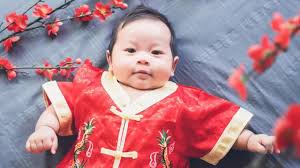
China has introduced a new mix of tax and family-support policies aimed at reversing its declining birth rate, as the country continues to record population decline for a third consecutive year, according to official statistics and international media reports.
Under changes to China’s value-added tax (VAT) system, contraceptives such as condoms and birth-control pills will be subject to a 13 percent VAT from 1 January 2026, ending a long-standing tax exemption that had been in place since the early 1990s, according to government policy documents cited by Reuters.
At the same time, the Chinese government has confirmed that childcare services, marriage-related services and elderly care will remain exempt from VAT, a move authorities say is intended to reduce the cost of raising children and supporting families, according to Reuters.
The tax changes reflect a significant policy shift for China, which for decades enforced strict population-control measures, including the former one-child policy. According to analysts quoted by Reuters, the removal of tax exemptions on contraceptives signals Beijing’s broader effort to encourage births after years of declining fertility.
China’s population has now fallen for three consecutive years. Data from the National Bureau of Statistics show that about 9.54 million babies were born in 2024, roughly half the number recorded a decade earlier, highlighting the scale of the country’s demographic challenge, according to official figures reported by BBC.
In addition to tax adjustments, authorities have rolled out financial support measures aimed at easing the burden on families. According to state media reports, China introduced a nationwide childcare subsidy programme in 2025, offering families about 3,600 yuan (approximately US$500) per child per year for children under the age of three. The subsidies are tax-exempt and apply nationwide.
Further measures under discussion include longer maternity and paternity leave, improved access to childcare facilities, and expanded medical insurance coverage for pregnancy and childbirth, according to government work reports cited by international news agencies.
Despite the policy changes, reaction has been mixed. According to commentators and demographers quoted by Reuters and other outlets, rising housing costs, education expenses and job insecurity remain major reasons young couples delay or avoid having children, raising questions about whether tax changes alone will significantly affect birth rates.
Public-health experts have also raised concerns that higher prices for contraceptives could limit access for some groups. Health specialists cited by international media warn that increased costs could discourage safe family-planning practices, particularly among low-income households.
China’s leadership has acknowledged that a shrinking and ageing population poses long-term economic risks, including labour shortages and slower growth. According to policy statements reported by state media, the government views the latest tax and support measures as part of a broader effort to stabilise population growth and support families.





















.jpeg)





































