
China Steps In to Mediate Tensions Between Pakistan and Afghanistan
China has successfully mediated the ongoing conflict between Pakistan and Afghanistan, with both sides reporting a decrease in hostilities following diplomatic intervention. The Chinese government has played a key role in facilitating dialogue, while both countries continue to face internal and cross-border security challenges.
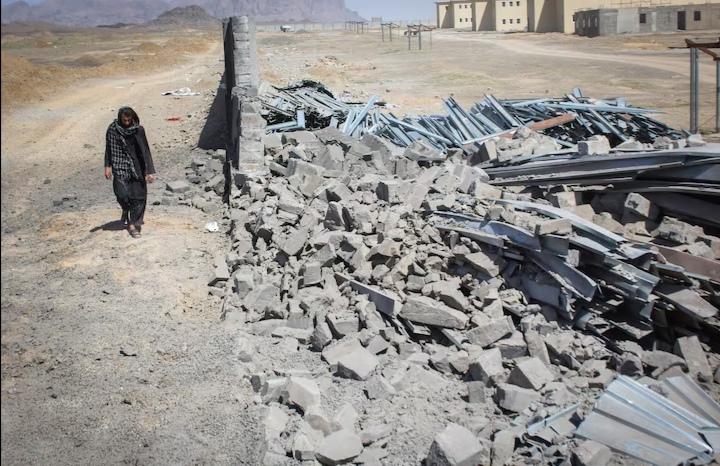
Tensions between Pakistan and Afghanistan have escalated significantly since the Taliban's return to power in 2021. However, recent diplomatic efforts led by China have reportedly helped ease the worst fighting between the two nations, which had intensified in recent weeks. According to Reuters, Chinese mediation efforts have played a crucial role in reducing the conflict, with both sides refraining from airstrikes and ground fighting tapering off following the intervention.
The Pakistani government confirmed that Chinese involvement included a direct message from President Xi Jinping, urging both parties to cease hostilities. Chinese Ambassador to Pakistan, Jiang Zaidong, delivered this message to Prime Minister Shehbaz Sharif in a meeting held late last month. As a result of these talks, both countries have reportedly halted airstrikes, although daily clashes continue along the nearly 2,600-km border. However, the intensity of the conflict has decreased, with officials stating that the situation remains volatile, according to Reuters.
In recent months, Pakistan had launched airstrikes against Afghanistan, accusing the Taliban of harboring militants responsible for attacks on Pakistani soil. Kabul has consistently denied these allegations, stating that militancy in Pakistan is an internal issue. According to security officials in Pakistan, the military campaign will continue until its goal of preventing cross-border militant attacks is achieved.
China's efforts to mediate the conflict have been seen as crucial in preventing further escalation. Beijing has kept in close contact with both Islamabad and Kabul, emphasizing the urgency of returning to the negotiating table. In a recent statement, China's Foreign Ministry confirmed that Foreign Minister Wang Yi held telephone talks with Pakistan’s Deputy Prime Minister and Foreign Minister Ishaq Dar to discuss the conflict, as reported by Reuters.
Although China's diplomatic role has helped ease tensions, broader geopolitical issues complicate the situation. Countries like Qatar, Saudi Arabia, and Turkey, which had previously facilitated talks between Pakistan and Afghanistan in October 2025, are now embroiled in the ongoing Middle East conflict, particularly following the U.S. and Israeli airstrikes on Iran. This shift in the regional dynamics has further complicated efforts to broker peace.
China’s strategic investments in Pakistan and Afghanistan, particularly under its Belt and Road Initiative, make Beijing a key player in regional stability. With over $65 billion committed to infrastructure projects, including roads, railways, and mining, China’s role as a mediator is not only political but also economic, according to Reuters.
In conclusion, while China’s diplomatic intervention has led to a temporary reduction in hostilities, the underlying tensions between Pakistan and Afghanistan remain unresolved. Continued engagement and dialogue, facilitated by China, could be pivotal in preventing further escalation and achieving lasting peace.





















.jpeg)





































