
Coordinated militant attacks shake Mali, major cities hit
Armed groups launched simultaneous attacks across Mali, targeting key cities including Bamako, Gao and Kidal. Authorities say security forces are responding, but fighting continues in several areas.
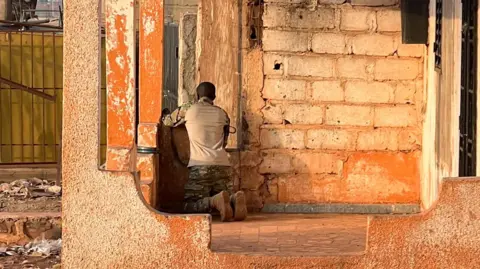
Armed groups carried out coordinated attacks across Mali over the weekend, triggering heavy gunfire and explosions in several major cities, including the capital, Bamako.
According to BBC News, the attacks began on Saturday and spread to areas such as Kati, Gao, Mopti, Sévaré and Kidal, indicating a well-planned operation targeting both northern and central regions. Mali’s military said it had launched operations to repel what it described as “terrorist groups,” claiming that many fighters had been killed, although this has not been independently verified.
Reports indicate that two armed factions were involved in the offensive. The separatist Azawad Liberation Front (FLA), which seeks an independent Tuareg state in northern Mali, is believed to have focused its attacks in the north. At the same time, the jihadist group Jama'at Nusrat al-Islam wal-Muslimin (JNIM), linked to al-Qaeda, reportedly launched strikes across multiple locations nationwide. A spokesperson for the FLA told BBC News that the operation had been planned over a long period and involved coordination with JNIM. The jihadist group also confirmed the joint nature of the attacks in its own statement.
Fighting was still ongoing on Sunday, particularly in Kidal and Gao. According to BBC News, armed groups claimed to have taken control of parts of Kidal, although Malian forces and allied fighters were still present in some areas. In Gao, reports suggested that key entry points into the city had fallen, but military bases remained contested. Security has been tightened in Bamako, with checkpoints set up on roads leading to the airport and a night curfew imposed. Bamako International Airport was temporarily closed, and several countries have warned their citizens against travelling to Mali.
Analysts say the scale and coordination of the attacks point to one of the largest militant offensives in recent years. Ulf Laessing from the Konrad Adenauer Foundation told BBC News that the incident signals a significant escalation in the country’s long-running conflict. Mali has faced years of instability driven by Islamist insurgencies and separatist movements in the north. The country is currently under military rule led by Assimi Goïta, who took power in 2020 following a coup, promising to restore security.
Despite the withdrawal of international forces, including French troops and UN peacekeepers, violence has persisted, with large parts of northern and eastern Mali remaining outside government control. International leaders have condemned the attacks. UN Secretary-General António Guterres called for coordinated global support to address the growing threat of extremism in the Sahel, while the African Union also expressed concern over the potential risk to civilians.
The situation remains fluid, with continued clashes reported as government forces attempt to regain control of the affected areas.





















.jpeg)





































