
Cuba Crisis Gets Real This Week: No Fuel, No Tourism, No Cash
Cuba’s economic emergency has crossed a critical threshold this week as shortages of fuel, tourism revenues and hard currency cripple daily life on the island. What analysts describe as the worst downturn in decades threatens to destabilize a government already struggling with four years of economic slump and the abrupt loss of foreign support.
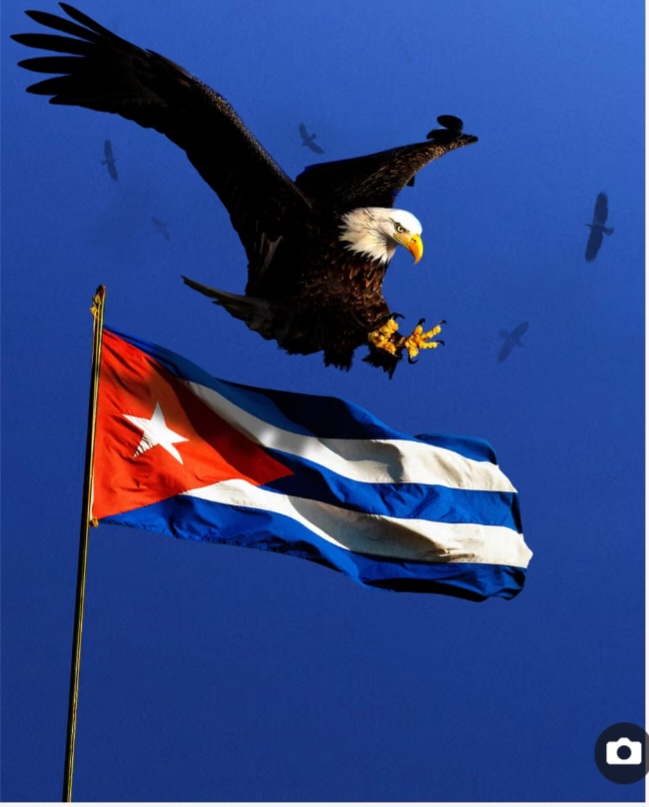
The crisis stems in large part from aggressively expanded U.S. pressure under the administration of President Donald Trump, including measures that have effectively choked off Cuba’s access to oil and deterred international flights and tourism, once vital sources of foreign exchange. With no Venezuelan oil and Mexico halting shipments under pressure from Washington, gasoline queues stretch for blocks and essential services like public transport and garbage collection have collapsed.
In CNN interviews this week, Cuban officials confirmed their willingness to engage in “meaningful dialogue” with Washington, but drew a clear line at discussions about changing Cuba’s political system. Cuba’s deputy foreign minister said the U.S. pressure campaign has already harmed ordinary citizens and dismissed claims that Havana poses a military threat.
Behind closed doors, diplomats in Havana are bracing for “alternative tactics” from Washington, according to multiple foreign mission sources. Some foreign envoys are reportedly drafting contingency plans amid fears the administration could lean on economic starvation to provoke popular unrest, a strategy aimed at creating conditions for U.S. intervention.
The Trump administration has openly signalled its desire for a shift in governance in Cuba. U.S. Secretary of State Marco Rubio, a Miami-born son of Cuban immigrants, has said he would “love to see” regime change, though he stopped short of specifying how that would be achieved or what a post-communist Cuba might look like.
Rubio has also publicly warned that Cuba is “in a lot of trouble,” urging economic openness as the only path forward, but acknowledged the absence of a concrete post-collapse roadmap.
With tourism plummeting, fuel scarcity biting deeper and cash reserves evaporating, many fear that without a diplomatic breakthrough or external aid, Cuba’s crisis could soon bleed into political instability.





















.jpeg)





































