
EU Healthcare Workers Reject Role in Deportation Enforcement
More than 1,100 healthcare professionals across Europe have declared they will not participate in proposed EU deportation measures that could require medical staff to report undocumented migrants seeking care, according to reporting by The Guardian.
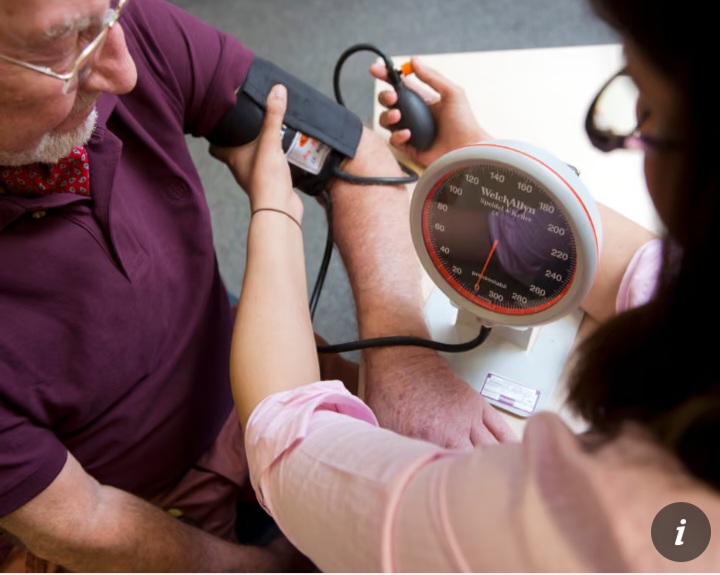
In an open letter addressed to Members of the European Parliament (MEPs), doctors and nurses warned that the plans risk transforming hospitals and clinics into instruments of immigration enforcement. “We refuse to become instruments of immigration enforcement,” the letter stated, underscoring widespread concern within the medical community.
The controversial proposal forms part of broader EU migration reforms aimed at increasing deportations of individuals without legal residency. Central to the plan are vaguely defined “detection measures,” which critics say could compel healthcare workers to identify and report patients suspected of being undocumented immigrants. In practice, this could mean that individuals seeking medical help may face exposure to immigration authorities.
Healthcare professionals argue that such requirements fundamentally contradict medical ethics, particularly the duty to protect patient confidentiality and ensure safe access to care. Campaigners warn that forcing clinicians into reporting roles would erode trust between patients and healthcare providers, with potentially severe public health consequences.
Anna Miller, head of UK policy and advocacy at Doctors of the World UK, highlighted the real-world implications of similar policies. She noted that in the UK, some migrants already avoid seeking treatment out of fear. “Patients are too afraid to go forward, in case it leads to an ICE-style raid,” she said, warning that the EU proposals could replicate this “climate of fear” across member states.
Human rights organisations and UN experts have also raised alarms, arguing that the measures risk violating the fundamental right to health. International human rights standards emphasise that access to healthcare should be universal, regardless of immigration status. Evidence shows that fear of being reported or penalised can deter migrants from accessing essential services, worsening individual and public health outcomes.
Medical groups, including Médecins du Monde, have urged EU lawmakers to remove provisions that could discourage vulnerable populations from seeking care. They stress that healthcare systems must remain safe spaces, warning that linking medical services to immigration enforcement undermines both human rights and public health protections.





















.jpeg)





































