
Fertility patients win High Court battle to save embryos after consent error
More than a dozen fertility patients in the UK have won a High Court battle to save their embryos, eggs and sperm from destruction after administrative errors meant they missed a key legal deadline to renew consent for storage. The ruling, handed down in London on Monday, recognised the rights of individuals affected by clinic errors and interpreted consent law in a way that prioritises patients’ chance of parenthood.
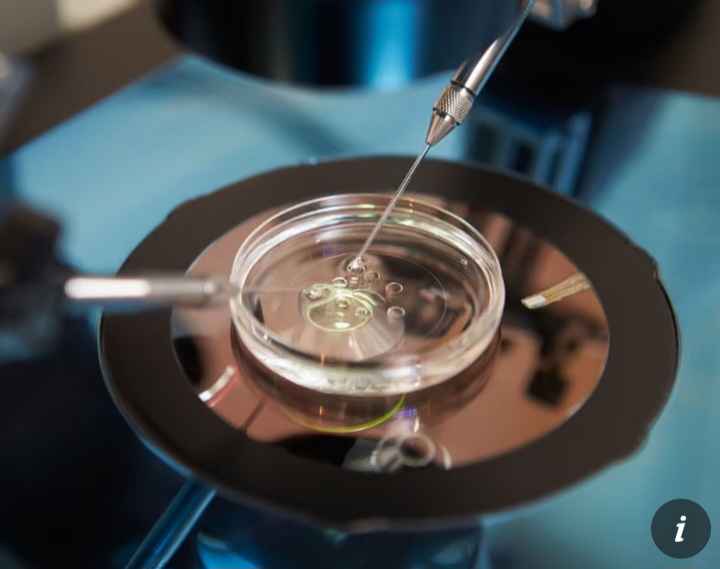
Under UK fertility law, clinics can store human eggs, sperm and embryos only with up-to-date written consent, which must be renewed every 10 years to remain valid. A temporary two-year extension introduced during the COVID-19 pandemic confused clinics and patients, leading to cases in which consent expired without the individuals being properly notified.
Lawyers for 15 separate groups of people, including former cancer patients and others whose only route to biological parenthood depends on stored gametes or embryos, asked the High Court to declare it lawful for their material to remain in storage despite the expired consents. Notably, the move was unopposed by fertility clinics, the regulator Human Fertilisation and Embryology Authority or the UK health secretary, underscoring widespread sympathy for the applicants’ plight.
Mrs. Justice Morgan ruled in favour of 14 of the 15 cases, concluding that it would be lawful for the embryos, eggs or sperm to remain stored and available for use. In her judgment, she stressed that the purpose of consent is to reflect people’s wishes, not to operate as a rigid ticking clock that can extinguish the possibility of parenthood. “It is surely consent that is important, not consent by an immutable date,” the judge said, adding that it would be hard to conclude that Parliament intended people’s chances of becoming parents should be removed “by the ticking of a clock beyond midnight” when consent expired.
In the single case where she ruled against the applicants, the judge found that the couple had never originally given valid consent to store the embryo in question, making their application distinct.
The decision is being seen as a significant affirmation of reproductive rights and an acknowledgement of the real-world impact of administrative failings on people’s hopes of starting families.





















.jpeg)





































