
Free Transport Proposal Emerges as Fuel Prices Bite Hard
A transport union in Australia is pushing for free or cheaper public transport to ease pressure on commuters as fuel prices surge, but the government has rejected the proposal, saying current fares remain fair.
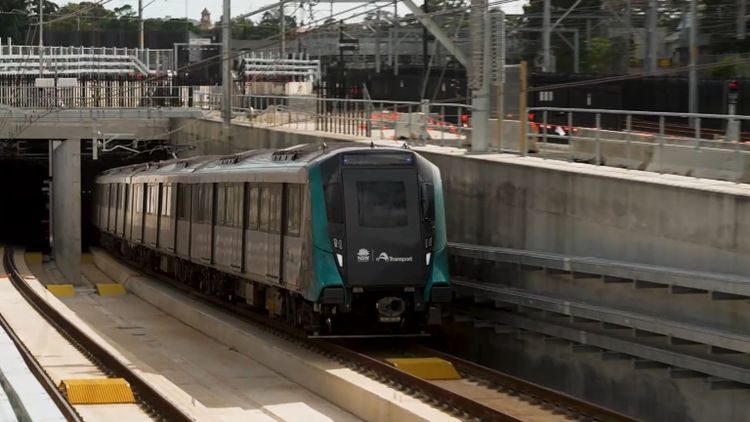
According to 9News, the union argues that making public transport free, even for a limited period, would help commuters cope with the high cost of living while encouraging more people to leave their cars at home. The proposal comes as diesel prices in some parts of Australia have climbed above $3 per litre, with petrol prices also rising sharply.
Union representatives say reducing fares to zero or introducing a minimal flat rate could ease congestion on roads and reduce fuel demand. They point to similar measures previously implemented in Queensland, where reduced fares reportedly increased public transport usage.
However, the proposal has been dismissed by John Graham, who maintains that public transport in Sydney is already reasonably priced. He encouraged commuters to consider trains, buses and trams as a practical alternative to private vehicles during the fuel crisis, according to 9News.
Currently, commuters in Sydney pay a capped daily fare, which varies depending on the day of the week, offering some relief to regular users. Despite this, many households are still struggling with broader cost-of-living pressures, including inflation and rising interest rates.
The spike in fuel prices has been linked to ongoing tensions in the Middle East, which have disrupted global oil supply chains. According to 9News, Australians are now paying significantly more to fill their tanks compared to earlier this year, with some increases reaching up to tens of dollars per refill.
While some petrol stations have reportedly run dry, the federal government has ruled out fuel rationing for now, stating that supply disruptions remain limited. Authorities have acknowledged, however, that intermittent shortages and price fluctuations may continue in the short term.
The debate highlights growing concern over transport affordability and energy security, as governments face increasing pressure to cushion citizens from global economic shocks.





















.jpeg)





































