
Fuel Crisis Threatens Fare Hikes as Transport Operators Feel the Pinch
Public transport fares in Eswatini could rise soon as fuel shortages and increasing diesel costs place heavy pressure on operators, according to industry leaders.
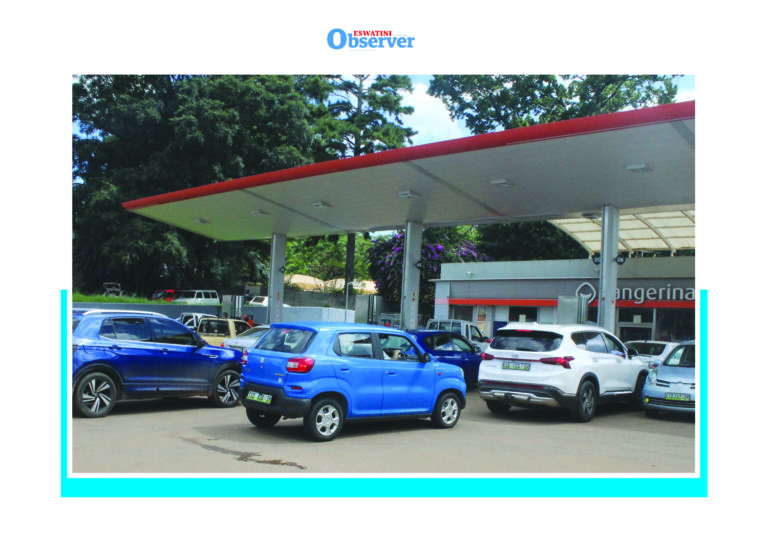
Commuters may soon face higher transport fares as fuel shortages and rising diesel prices continue to disrupt operations across the country, according to Eswatini Observer.
The National Road Transport Council (NRTC) has warned that the ongoing fuel crisis, linked to global conflicts affecting supply chains, has placed transport operators under severe financial strain, making fare increases increasingly unavoidable, as reported by the Eswatini Observer.
NRTC Chairperson Sabelo Dlamini said operators are struggling to cope with escalating diesel costs, warning that the situation could soon force an adjustment in fares, according to the Eswatini Observer. He explained that current fuel rationing measures, believed to be aimed at protecting national reserves, are already affecting daily operations.
Dlamini acknowledged that the timing of potential fare hikes would be difficult for commuters, many of whom are already facing economic pressure due to stagnant incomes, as reported by the Eswatini Observer. However, he stressed that transport providers have limited options under the prevailing conditions.
The council also indicated that developments in South Africa, a key reference point for local fuel pricing, are being closely monitored, according to the Eswatini Observer. Dlamini confirmed that a technical team has been established to draft a proposal to the government outlining possible interventions to stabilise the sector.
The proposal process is expected to take up to two months, meaning immediate relief is unlikely, as reported by the Eswatini Observer. This delay could prolong uncertainty for both operators and commuters.
In the meantime, operators are grappling with operational disruptions caused by fuel shortages, including long-distance travel in search of fuel and extended queues at filling stations, according to the Eswatini Observer. These challenges have resulted in delays and unreliable transport schedules.
Dlamini noted that the situation is not only inefficient but also places added pressure on commuters who rely on public transport daily, as reported by the Eswatini Observer. The disruptions have also contributed to congestion, particularly during peak hours. As a possible intervention, the NRTC has called on the government to consider reducing fuel levies temporarily to ease pressure on both operators and consumers, according to the Eswatini Observer.
He maintained that without intervention, the rising cost of fuel will continue to affect the broader economy, with commuters bearing the greatest impact.





















.jpeg)





































