
Gen Z Turns to AI Companions as Loneliness and Tech Reliance Grow
In the wake of the COVID-19 pandemic and a dramatic shift toward remote work, many young adults from Generation Z are increasingly turning to artificial intelligence for company. For some, chatbots like ChatGPT have become more than just productivity tools, they are substitutes for human connection.
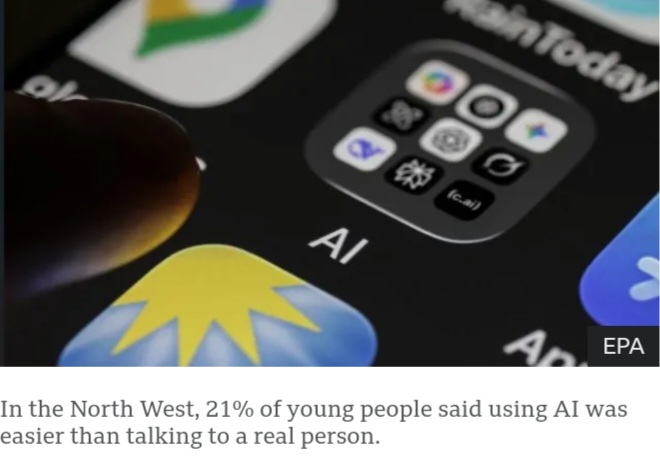
BBC reporting has highlighted stories such as that of 23-year-old Paisley from Manchester. After years of lockdown isolation and starting a work-from-home job, Paisley said he “lost the ability to socialise” and began talking to ChatGPT multiple times a day about his thoughts and feelings. At his peak, he spoke with the AI “six, seven, eight times a day,” describing it as the easiest point of contact for emotional support.
Paisley’s experience reflects a broader loneliness crisis among Gen Z, described by researchers and journalists following BBC coverage. Official data from national statistics offices show that younger adults report some of the highest rates of loneliness, often compounded by years of physical separation during COVID-19 lockdowns.
AI companions may offer immediate comfort, they respond instantly, without judgment, and are available around the clock. However, experts warn that this trend also raises concerns about emotional dependency and reduced human engagement. Emerging research has found heavy users of chatbots often experience greater loneliness and less real-world socialisation, suggesting technology can sometimes deepen isolation rather than alleviate it.
Some mental health studies argue that while AI interactions can temporarily ease emotional discomfort, they cannot replace the richness of human touch, empathy, and presence.
This blurring of the boundaries between technology and companionship has significant implications for future relationships. As digital natives adopt AI as confidants and conversational partners, psychologists and sociologists alike question what this means for real-world social skills and personal connections in the years to come.





















.jpeg)





































