
Global Leaders Unite in Nairobi to Fight Worsening Climate and Biodiversity Crises
Countries gathered in Nairobi for the seventh UN Environment Assembly to address the interconnected global crises of climate change, biodiversity loss and pollution, with leaders calling for stronger cooperation and fair climate financing. Experts warned that environmental pressures are intensifying and require coordinated action to protect vulnerable nations and support sustainable development.
Delegates from more than 170 nations have converged in Nairobi this week for the seventh session of the United Nations Environment Assembly (UNEA-7), as leaders and officials confront intersecting global environmental and development crises that experts warn are reaching emergency levels, according to reports from Africanews and United Nations agencies.
The assembly, held at the headquarters of the United Nations Environment Programme (UNEP) from 8 to 12 December 2025, brings together representatives from governments, international bodies and civil society to seek coordinated responses to climate change, biodiversity loss, land degradation, pollution and other planetary pressures that threaten long-term sustainable development. UNEA is recognised as the world’s primary forum for environmental policy-making under the United Nations system.
According to UNEP Executive Director Inger Andersen, countries must act with urgency to avoid the worst impacts of environmental breakdown. Andersen told delegates that investing in a stable climate and healthy ecosystems could generate economic gains, reduce premature deaths, lift millions out of poverty and support equitable development, emphasizing that “no country can tackle the crisis alone.”
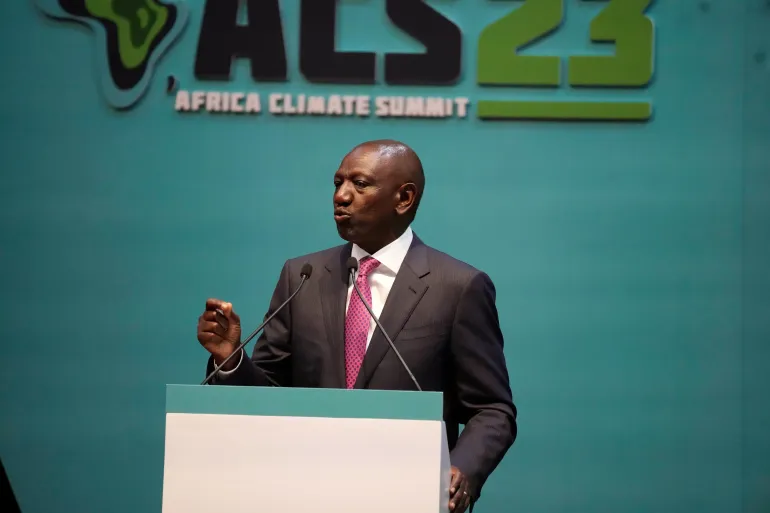
Kenyan President William Ruto reinforced that message, stressing that Africa is already bearing the brunt of climate impacts, from failed harvests to destructive floods. Ruto urged participants to align economic growth with environmental protection, saying nations must decouple growth from emissions and pollution to ensure a fair and accessible transition to sustainable development.
The themes at UNEA-7 reflect concerns that environmental degradation is no longer a series of separate issues but a converging crisis that also undermines development goals. Delegates are debating resolutions aimed at protecting biodiversity, reducing pollution, managing waste, promoting sustainable land use and addressing the environmental footprint of emerging technologies, from artificial intelligence to industrial innovation. These discussions follow months of preparatory work by UNEP and national delegations.
In addition to action in Nairobi, countries and organisations are advancing complementary efforts to address global environmental change. For example, Qatar’s Minister of Environment and Climate Change participated in the high-level segment in Nairobi, urging enhanced international cooperation to boost joint action on climate, pollution reduction and biodiversity protection, and signalling regional support for sustained environmental governance.
The timing of UNEA-7 comes as nations prepare for other major international forums on climate and development, including the upcoming COP30 summit under the United Nations Framework Convention on Climate Change framework, where governments will be expected to translate broad commitments into concrete policy measures and financing arrangements.
Delegates at UNEA-7 face complex challenges: adapting to rising temperatures, safeguarding natural habitats, reducing waste and pollution, and ensuring that climate action supports development rather than undermining livelihoods. African delegates in particular have reiterated the need for equitable climate finance, technological support and science-based policy implementation to help vulnerable countries respond effectively to environmental shocks.
As the assembly draws to a close, leaders are expected to adopt resolutions that could guide environmental policy for years, setting benchmarks for sustainable development, nature protection and international cooperation. The outcomes will also likely inform negotiations at other global development gatherings, where integrated approaches to climate and socioeconomic resilience are increasingly central to long-term stability and prosperity.





















.jpeg)





































