
Guinea-Bissau Pauses US-Funded Hepatitis B Vaccine Study for Ethical Review
A hepatitis B vaccine study in Guinea-Bissau funded by the US CDC will undergo further ethical review after the national committee declined to fully assess it earlier. Critics raised concerns that the trial’s design, which delays vaccination for some newborns, may pose risks in a high-prevalence setting.
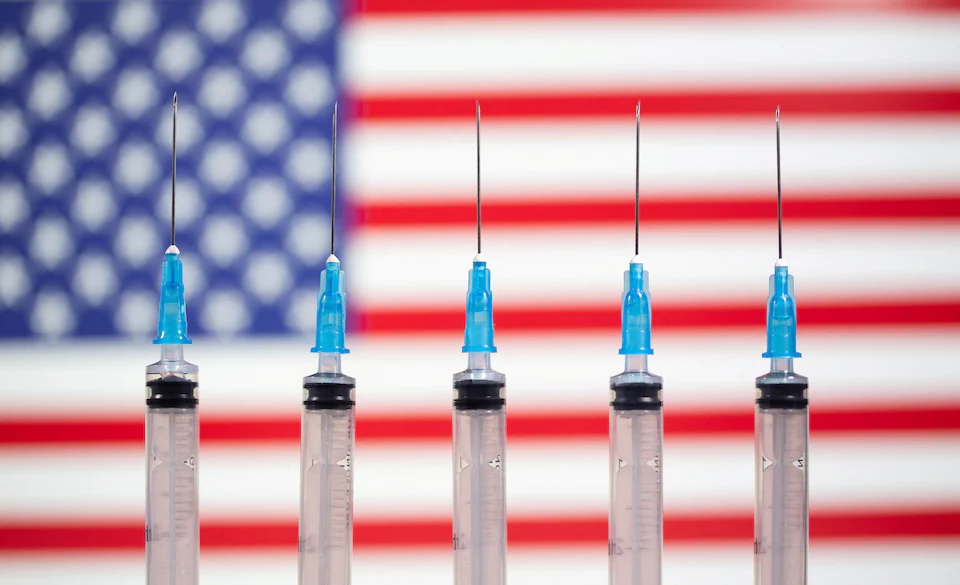
A controversial US-funded hepatitis B vaccine study planned in Guinea-Bissau will now undergo further ethical review before moving forward, African health officials and the country’s public health minister announced on Thursday, 22 January 2026.
According to Reuters, the study, originally designed to assess the effects of administering the hepatitis B vaccine at birth compared with the current practice of giving the first dose at six weeks of age, drew criticism from ethicists and health experts who argued that it could expose newborns to unnecessary risk by delaying vaccination in a high-infection setting.
At a press briefing on Thursday, Health Minister Quinhin Nantot said the study would be suspended pending a review by the national ethical committee, which had not met earlier to properly evaluate the trial’s protocols before it was initially approved. The committee’s lack of technical resources and coordination with broader health authorities prompted the minister to call for the additional scrutiny.
The trial, which was to be funded in part by a US $1.6 million grant from the US Centers for Disease Control and Prevention (CDC), is structured as a randomized controlled trial. Under the plan, some infants would receive the hepatitis B vaccine shortly after birth, while others would not receive it until their first scheduled dose at six weeks. Children enrolled in the study would be followed to measure outcomes including death, illness and long-term development, as noted by Associated Press.
Critics have said the study raises ethical concerns because the hepatitis B vaccine is widely accepted as safe and effective, and delaying it in a setting with high hepatitis B prevalence could place infants at increased risk of infection, particularly through mother-to-child transmission at birth.
Africa Centres for Disease Control and Prevention director-general Jean Kaseya expressed support for the ethical review, saying the agency respects the sovereignty of Guinea-Bissau’s health authorities in making decisions about research that affects their population.
Meanwhile, US health officials have said the study was still intended to go ahead and that work was continuing to finalise the research protocols, a comment that highlights ongoing differences in how the project’s future is viewed by international and local stakeholders.
Guinea-Bissau, one of the world’s poorest nations with a high burden of hepatitis B infection, currently administers the first dose of the hepatitis B vaccine at six weeks old but plans to introduce a birth-dose schedule by 2028, aligning with World Health Organization recommendations for protecting newborns from hepatitis B.





















.jpeg)





































