
Hundreds Missing After Migrant Boat Sinks in Andaman Sea.
About 250 migrants are missing after an overcrowded boat carrying Rohingya refugees and Bangladeshis sank in the Andaman Sea, with only a handful of survivors rescued as the UN warns of worsening conditions driving such dangerous journeys.
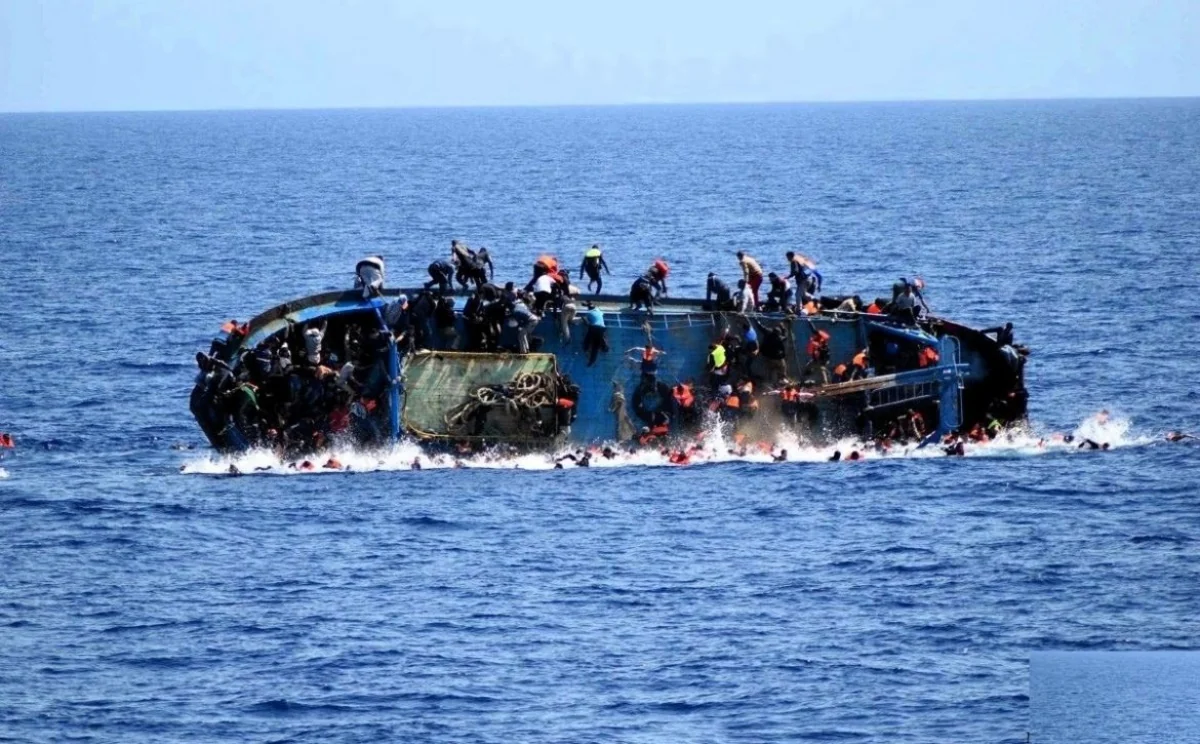
About 250 migrants, including Rohingya refugees and Bangladeshi nationals, are missing after a boat capsized in the Andaman Sea during a dangerous journey toward Malaysia, in what the United Nations has described as a humanitarian tragedy.
According to the BBC News, the overcrowded trawler had departed from Bangladesh and was headed for Malaysia when it reportedly sank due to strong winds and rough sea conditions. The exact date of the incident remains unclear, but rescue efforts began after a Bangladesh-flagged vessel spotted survivors days later.
Bangladesh coast guard officials said that on April 11, crew members aboard the motor tanker Meghna Pride found nine people adrift at sea, clinging to debris such as wooden planks and drums. The survivors had reportedly been floating for nearly two days after the vessel encountered a storm around April 7 or 8, BBC News reported.
The rescued group was later transferred to the Bangladesh Coast Guard vessel Mansur Ali after being brought back into national waters. Survivors told authorities they had seen nearly 100 other passengers during the journey, but there has been no confirmed trace of the remaining individuals or the vessel itself.
One survivor, Rafiqul Islam, said he spent about 36 hours in the water before being rescued. He told AFP that he also suffered burns from oil spilled from the capsized boat. Like many others on board, he had been lured by the promise of work opportunities in Malaysia, BBC News noted.
The incident highlights the ongoing plight of the Rohingya, who have fled persecution in Myanmar, particularly following a violent military crackdown in 2017. Hundreds of thousands have since taken refuge in Bangladesh, mainly in overcrowded camps in Cox’s Bazar, where difficult living conditions continue to push many to attempt risky sea crossings.
In a joint statement, the UNHCR and the International Organization for Migration said the tragedy reflects the “dire consequences” of prolonged displacement and limited opportunities for refugees. They noted that ongoing violence in Myanmar’s Rakhine state, coupled with declining humanitarian support and poor conditions in camps, has driven many to undertake dangerous journeys in search of safety and stability, BBC News further reported.
Such voyages are often carried out on overcrowded and poorly equipped boats, with little access to food, water or safety measures. Many do not reach their destination, with migrants either dying at sea, being detained, or turned away by authorities in countries like Malaysia and Indonesia.
The UN agencies have called on the international community to increase support for Rohingya refugees and address the root causes of displacement. They stressed the need for long-term solutions that would allow refugees to return home safely and voluntarily.





















.jpeg)





































