
India Mourns Iconic Photographer Raghu Rai
Celebrated Indian photojournalist Raghu Rai has died at 83, leaving behind a powerful visual record of India’s history, from political milestones to human tragedies.
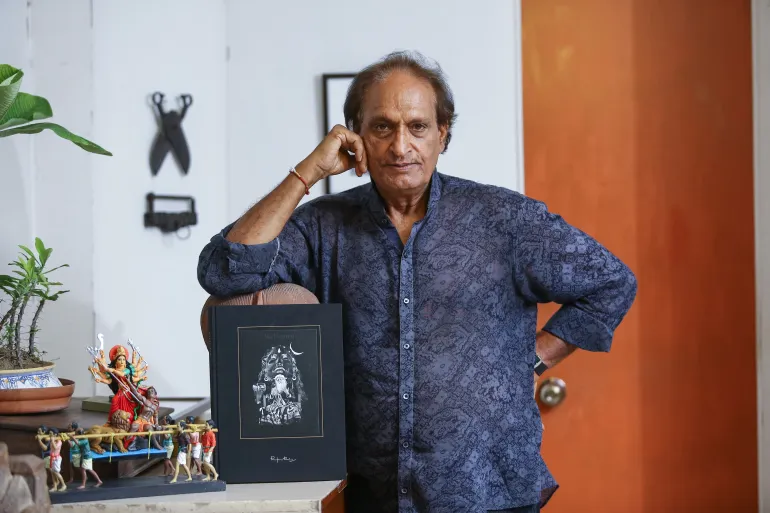
Internationally acclaimed Indian photographer Raghu Rai has died at the age of 83, his family confirmed on Sunday.
Widely regarded as one of India’s most influential visual storytellers, Rai built a legacy documenting the country’s social, political and cultural life over several decades. According to Al Jazeera, his work captured defining moments in India’s history, making him a key figure in global photojournalism.
Born in 1942 in what is now Pakistan’s Punjab province before the partition of India, Rai initially trained as a construction engineer before turning to photography. His career later took off in the 1960s when he joined leading media houses and eventually became an independent photojournalist.
Rai gained international recognition for documenting major historical events, including the 1971 Bangladesh war and the deadly Bhopal gas tragedy. His images from Bhopal, where thousands lost their lives due to a toxic gas leak, remain some of the most haunting visual records of the disaster, Al Jazeera reported.
Throughout his career, Rai also photographed prominent global figures, including former Indian Prime Minister Indira Gandhi, capturing both public and private moments. His work extended beyond politics to include everyday life, culture and spirituality in India. In recognition of his contribution to photography, Rai was awarded the Padma Shri in 1972, one of India’s highest civilian honours. He also received international acclaim after being nominated to the prestigious Magnum Photos by renowned French photographer Henri Cartier-Bresson.
Tributes have since poured in from across the world. Indian opposition leader Rahul Gandhi described Rai as a man who “preserved the nation’s memory”, while author and parliamentarian Shashi Tharoor praised him as a visionary who captured the soul of India. Rai published numerous photo books during his lifetime, including works on the Taj Mahal and intimate portraits of the humanitarian Mother Teresa.
His death marks the end of an era in photography, but his images are expected to continue shaping how India’s history is remembered for generations to come.





















.jpeg)





































