
Indonesia floods kill scores as Cyclone Ditwah batters Sri Lanka
Indonesian authorities report dozens by some counts as many as 90 killed and many more missing after floods and landslides on Sumatra and Java. In Sri Lanka, Cyclone Ditwah has killed at least 46 people, displaced tens of thousands and prompted widespread evacuations.
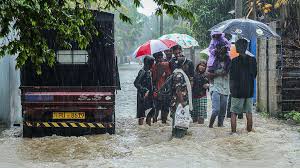
A band of extreme weather spawned by a tropical cyclone has left parts of South and Southeast Asia counting the cost. Local officials and news organisations reported heavy monsoon-enhanced rainfall that triggered flash floods and deadly landslides on Indonesia’s Sumatra island this week, while Cyclone Ditwah swept across Sri Lanka, killing scores and forcing mass evacuations.
In Indonesia, the death toll and the scale of damage are still being established. Provincial and national authorities, along with multiple news agencies, gave varying figures as rescue teams worked to reach isolated communities cut off by mudslides and broken roads. The Associated Press reported at least 79 people killed and hundreds displaced in Sumatra after unusually persistent rains linked to a cyclone in the Strait of Malacca, with thousands of homes submerged and major infrastructure damaged. Rescue crews have been hampered by blocked roads and power outages.
Other outlets and official statements gave different tallies as the situation evolved. Reuters noted earlier counts in the dozens with fears the toll would rise as crews reached remote valleys; AFP and regional media cited figures up to 90 dead in consolidated tallies compiled from local police and disaster agencies. The discrepancy reflects the difficulty of confirming casualties quickly in areas where communications and access are disrupted. Emergency managers warned that the death toll could increase as floodwaters recede and search teams reach cut-off settlements.
Sri Lanka faced the cyclone’s centre as Ditwah swept inland, producing extreme rainfall of more than 300 millimetres in 24 hours in some locations, and triggering landslides across the eastern and central provinces. Reuters and Sri Lankan authorities reported at least 46 people killed and 23 missing, with nearly 44,000 evacuated to temporary shelters, schools and community centres. Officials temporarily closed schools and suspended some transport operations while emergency services carried out rooftop rescues and relief distributions.
Humanitarian and logistical responses are under strain. In Indonesia, authorities reported tens of thousands displaced in provinces including North Sumatra, West Sumatra and Aceh, with widespread damage to homes, bridges and farmland and urgent needs for boats, earth-moving equipment and medical supplies. In Sri Lanka, relief officials and partner countries mobilised assets; regional assistance was discussed as the navy and local teams searched for survivors in swollen rivers and landslide zones.
Experts say the episode is emblematic of a wider pattern: when cyclones or strong low-pressure systems interact with seasonal monsoon flows, they can produce extreme rainfall over broad areas, a danger magnified where steep terrain meets dense settlements. That pattern has made parts of Sumatra and Sri Lanka particularly vulnerable to rapid-onset landslides and flash flooding. While attribution of any single event to long-term climate change requires specialist analysis, climate scientists have warned that warmer air holds more moisture and can intensify heavy-rain extremes.
Officials in Indonesia and Sri Lanka urged residents in flood-prone areas to heed evacuation orders and warned of further rain while the cyclone and its remnants remained influential in regional weather patterns.





















.jpeg)





































