
IRAN STRIKES ISRAEL, US BASES AFTER SUPREME LEADER KILLED
Iran has launched a new wave of missile strikes targeting Israel and United States military bases in the Middle East following the death of Supreme Leader Ayatollah Ali Khamenei. Explosions were reported in parts of the Gulf region, raising fears of wider regional instability.
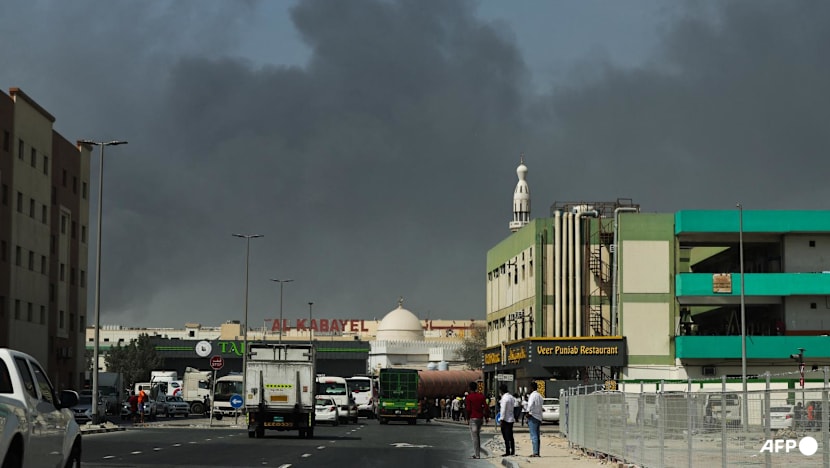
Iran has fired a fresh wave of missiles at Israel and United States military bases in the Middle East following the killing of its Supreme Leader, Ayatollah Ali Khamenei, in joint US-Israeli strikes.
According to Channel News Asia, Iran’s Revolutionary Guards confirmed on Sunday that they had begun what they described as the “most ferocious” operation in the country’s history in retaliation for Khamenei’s death. The 86-year-old leader, who had ruled Iran since 1989, was reportedly killed during the initial phase of a large-scale military operation carried out by the United States and Israel.
Explosions were heard in Dubai and Doha shortly after Iran’s announcement, with smoke seen rising from some areas. Reuters reported that retaliatory strikes were also recorded in Bahrain and other Gulf states hosting US military facilities. Several of these countries serve as strategic hubs for American forces in the region.
Iran’s leadership has accused both Washington and Tel Aviv of orchestrating what it called an act of aggression aimed at destabilising the Islamic Republic. In response, the Revolutionary Guards vowed decisive action against what they termed “enemy targets” across the region.
The United States and Israel have not immediately released full operational details but have previously stated that their military actions were aimed at neutralising security threats posed by Iran. The strikes that killed Khamenei mark a dramatic escalation in tensions that have been building for months amid hostilities involving Israel and Iran-backed groups.
Regional governments have moved to heighten security, particularly around military installations and critical infrastructure. The developments have raised fears of a broader conflict that could draw in multiple countries in the Middle East.
Ayatollah Khamenei had served as Iran’s Supreme Leader for nearly four decades, making him one of the longest-serving heads of state in the region. His death represents a major turning point in Iranian politics and could significantly alter the country’s internal power structure.
International observers warn that continued retaliation could further destabilise the Gulf region, which is already facing political and security challenges. Diplomatic efforts are expected to intensify as global powers call for restraint to prevent the conflict from expanding.





















.jpeg)





































