
Is Trump on a Quest to Take Over the World?
In early 2026, global geopolitics looks fundamentally different and sharply more confrontational, under U.S. President Donald Trump’s second administration. Actions and statements from the White House have prompted international alarm about whether the United States is pursuing an unprecedented expansion of influence, raising questions about Trump’s ambition to “take over the world.”
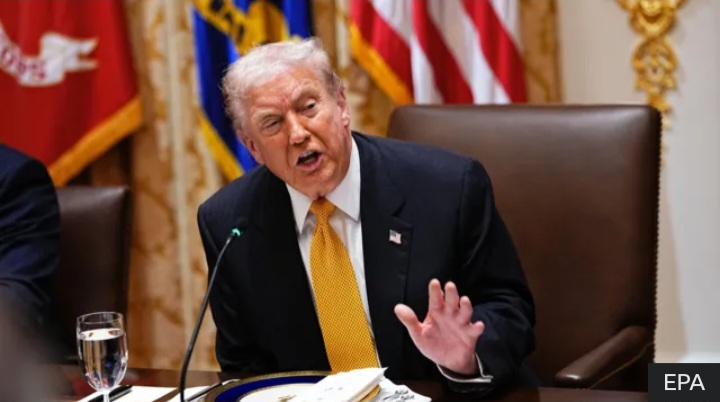
At the heart of this debate is Trump’s dramatic escalation in Venezuela, where U.S. forces executed a controversial operation that ousted President Nicolás Maduro. Trump has publicly claimed that the U.S. will “run” Venezuela and benefit from its oil resources, framing the intervention as both a fight against narcotics trafficking and a strategic assertion of influence in the Western Hemisphere. Critics argue the operation crosses into direct control rather than cooperation.
In a landmark interview with The New York Times, Trump went further, stating that his own morality is the only restraint on his global ambitions, and dismissing international law as secondary to his judgment. He suggested the U.S. could shape global affairs based on its own definitions of legality and power, rather than established multilateral frameworks.
A second flashpoint has emerged in the North Atlantic: Greenland. Trump has reignited a long-standing notion of acquiring the Arctic territory, telling reporters and advisors that Greenland’s strategic position makes control vital to U.S. national security. In statements that have alarmed allies, he has refused to rule out military options to ensure U.S. possession “one way or the other.”
European and NATO partners have reacted with firm rejection, insisting that Greenland’s future should be determined by Greenland and Denmark alone. Leaders warn that any attempt to force territorial change would undermine international law and could fracture core alliances.
Meanwhile, CNN and other outlets have highlighted that Trump’s rhetoric includes threats toward multiple countries, including Colombia, Cuba, Mexico and Iran, tied to drug enforcement and perceived failure of governance. Such broad threats amplify concerns that U.S. foreign policy under Trump is shifting from diplomacy to coercion.
Another dimension is Trump’s approach to global institutions. Analysts note that Trump’s administration has signalled disengagement from many multilateral bodies, including U.N. affiliates, and has cut back on foreign aid programs, raising concerns about PEPFAR and other international health funding that the U.S. has traditionally supported. While not explicitly a tool for domination, reducing such funding can decrease U.S. soft power and shift leverage in global affairs.
Opponents argue these moves reflect a unilateral worldview that prioritizes raw power and control, not collaboration. Supporters frame them as reasserting U.S. strength after years of perceived weakness. What is clear is that Trump’s strategies, from Venezuela to Greenland and beyond, are reshaping how nations think about American leadership and influence in the 21st century.





















.jpeg)





































