Joshua Gets Paid Big as Jake Paul Fight Falls Flat on Netflix
Anthony Joshua walked away richer than ever after stopping Jake Paul in Miami, but the Netflix blockbuster promised fireworks and delivered boredom, raising fresh questions about where boxing is heading.

Anthony Joshua vs Jake Paul was strange from the start and dull at the finish.
The fight made history by landing on Netflix, but instead of drama, fans got a slow, awkward mismatch that felt more like a payday than a real contest. Yes, it was a sanctioned professional bout. No, it was not scripted. But it still looked lifeless.
Joshua won. Paul survived. Nobody was impressed.
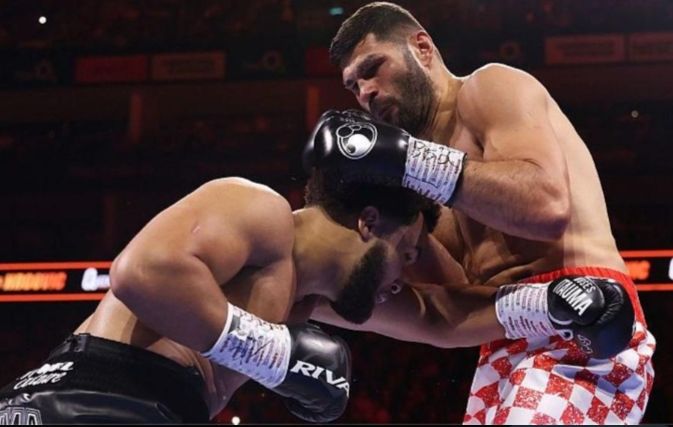
By the fourth round, even the referee had seen enough. Christopher Young pulled the fighters together and told Paul straight that fans didn’t pay to see this crap. Netflix commentator Mauro Ranallo said what everyone at home was thinking: “Amen.”
Paul talked big all week about shocking the world. Inside the ring, he mostly grabbed, ducked, and tried not to get hurt. When he did engage, it looked more like wrestling than boxing, with leg grabs and clinches slowing everything down.
Joshua wasn’t sharp either. He threw wild punches, missed often, and looked laboured against a YouTuber-turned-boxer who had never faced elite opposition.
“It’s a win, but it’s not a success,” Joshua admitted. “I’m not happy, he said.”
Still, the bank account says otherwise. Joshua reportedly earned £210 million, likely the biggest payday and TV audience of his career.
From a sporting point of view, the fight meant nothing. Joshua is an Olympic champion, a former two-time world heavyweight champion, and a proven elite fighter. Going six rounds before stopping, Paul adds nothing to that legacy.
But boxing is changing. Hype now beats history. Clicks beat credibility.
And in this new world, Joshua cashed in, even if the sport paid the price.

.jpeg)