
Kenya tea exports stall as Middle East conflict disrupts shipping routes
Kenya’s tea industry is facing growing pressure after the ongoing conflict involving Iran disrupted key global shipping routes, leaving millions of kilograms of tea stranded and export earnings at risk.
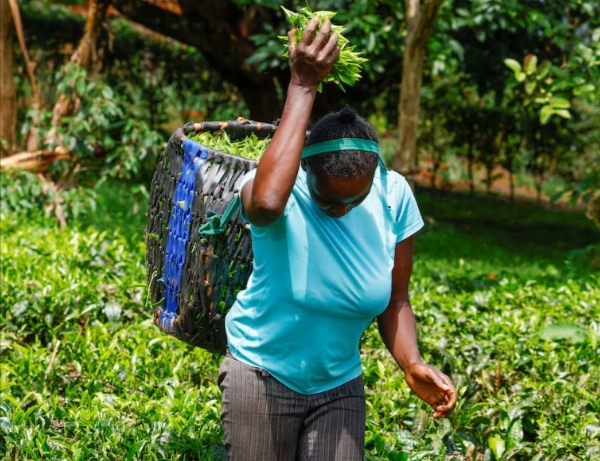
Kenya’s tea exports have been severely disrupted following tensions in the Middle East, with millions of kilograms of tea stuck in storage and exporters counting losses.
According to Reuters, about eight million kilograms of tea are currently stranded at the port of Mombasa due to shipping interruptions linked to the conflict involving Iran. The disruption has affected key maritime routes, particularly through the Strait of Hormuz and the Bab el-Mandeb Strait.
The managing director of the East Africa Tea Traders Association, George Omuga, said the situation has resulted in weekly losses estimated at $8 million. He explained that exports to the Middle East, which account for up to a quarter of Kenya’s tea market, have come to a complete halt as buyers struggle to receive shipments.
“The conflict has had a direct and negative impact on tea auctions and exports,” Omuga said, as reported by Reuters, adding that buyers are also reducing purchases due to delays in clearing existing stock.
While William Ruto recently indicated that tea exports were performing well, industry players have challenged this claim. Omuga clarified that the figures cited by the government reflect tea sold at auction earlier in the year, not actual exports, which are now facing logistical challenges.
Shipping companies have reportedly suspended or rerouted vessels away from high-risk zones, forcing exporters to use longer routes around the Cape of Good Hope. This has significantly increased transport and insurance costs, further squeezing profits.
Despite the disruption, tea exports to countries such as Pakistan and Egypt continue, although at a slower pace and at a higher cost due to the extended routes. Kenya’s tea sector, one of the country’s leading foreign exchange earners, has already been weakened by previous global shocks. According to Reuters, exports to Russia dropped sharply after the Ukraine war, declining from 29 million kilograms to just five million kilograms.
Industry stakeholders are now calling for diversification of markets, particularly within Africa, to reduce dependence on volatile international trade routes and protect the sector from future geopolitical disruptions.





















.jpeg)





































