
Kenyan Women Break Lake Victoria Fishing Taboo Amid Climate Pressures
Women in western Kenya are increasingly joining fishing activities on Lake Victoria, breaking long-standing cultural taboos as economic hardship and climate change reshape livelihoods.
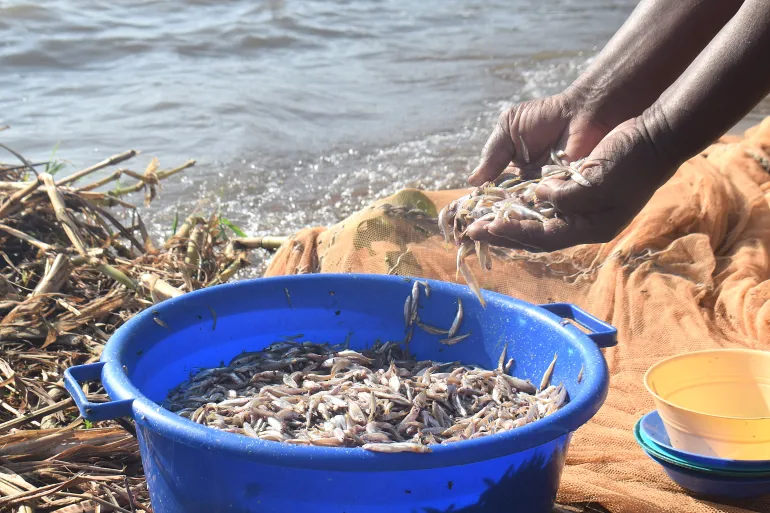
A growing number of women in Kenya’s Lake Victoria region are defying long-standing cultural restrictions and entering the fishing industry, a space traditionally reserved for men, as economic hardship and climate change threaten livelihoods.
According to Al Jazeera, the shift began in the early 2000s when Rhoda Ongoche Akech, now 61, became one of the first women in her community to step into a fishing boat despite resistance rooted in tradition. For years, women in lakeside villages such as Kagwel in Kisumu County were restricted to fish trading, while fishing itself was considered taboo for them.
Akech’s decision was driven by declining earnings from fishmongering, as rising costs and reduced fish supply made it difficult to sustain her family. According to Al Jazeera, she persisted despite community criticism, eventually opening the way for other women to follow.
Cultural beliefs had long discouraged women from fishing, with some communities associating their presence on the lake with bad luck or reduced fish catches. Village elders maintained that such traditions were deeply rooted in social norms, particularly around gender roles and beliefs linked to menstruation, as reported by Al Jazeera.
However, economic realities have gradually forced a shift. Other women began joining Akech years later, forming a small but growing group of female fishers. According to Al Jazeera, their participation has become more accepted over time, with many male fishermen now supporting the change.
Fishing has proven more profitable than fish trading for these women. Earnings from direct fishing activities can exceed what they previously made as middle traders, providing better support for their households, including funding education for their children, according to Al Jazeera.
The transformation comes at a time when Lake Victoria’s ecosystem is under pressure. Environmental experts attribute declining fish stocks to climate change, which has raised water temperatures and reduced oxygen levels in the lake. According to Al Jazeera, meteorological data indicate that temperatures are expected to continue rising, further threatening fish populations.
Despite their progress, the women face challenges beyond environmental pressures. Their role in fishing remains largely unrecognised by some authorities. According to Al Jazeera, local officials in Kisumu County have stated that women are not formally registered as active fishing crew, leaving them without access to official support systems available to male fishermen.
Lake Victoria remains a critical resource, supporting millions of people across East Africa through food supply, employment and water access. However, increasing pressure from overfishing, pollution and climate change continues to threaten its sustainability, as reported by Al Jazeera.
Even with these challenges, women like Akech continue to venture onto the lake daily, determined to sustain their livelihoods and challenge outdated norms. Their presence signals a gradual but significant cultural shift in one of Africa’s most important fishing communities.





















.jpeg)





































