
Lai Cancels Eswatini Visit After African States Deny Airspace Access
Taiwan President Lai Ching-te has cancelled his planned visit to Eswatini after three African countries withdrew flight permissions, reportedly under pressure linked to China’s “One China” policy.
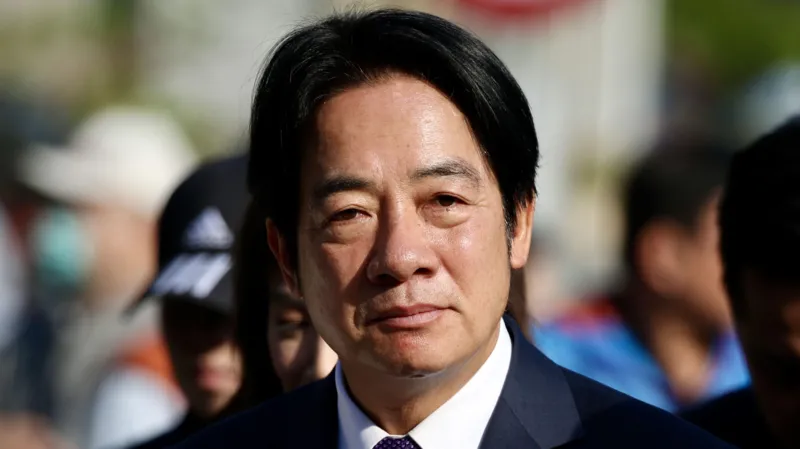
Taiwan President Lai Ching-te has been forced to cancel his scheduled visit to Eswatini after several African countries revoked permission for his aircraft to pass through their airspace, in what officials in Taipei describe as external political pressure.
According to Reuters, Seychelles, Mauritius and Madagascar withdrew previously granted overflight permits, prompting the abrupt cancellation of the trip. Taiwanese authorities said the decision was made “unexpectedly and without prior notice,” disrupting what would have been an important diplomatic visit to Eswatini, Taiwan’s only remaining ally on the African continent.
The visit, which was planned for 22 to 26 April, was intended to coincide with celebrations marking the 40th anniversary of King Mswati III’s accession to the throne as well as his birthday. The Eswatini government expressed regret over the cancellation but reaffirmed that the longstanding diplomatic relationship between the two countries remains unchanged, as reported by BBC News.
Taiwan has accused China of influencing the decision by the three Indian Ocean nations. A Taiwanese official claimed that Beijing applied “intense pressure” and used economic leverage to block the president’s travel route. However, China has denied these allegations. Instead, it commended the countries involved, stating it “highly appreciates” their stance, according to Reuters.
Both Seychelles and Madagascar indicated that their decision was guided by their adherence to the “One China” policy, which recognises the government in Beijing as the sole legitimate authority of China and does not acknowledge Taiwan as a separate state, Reuters reported.
China continues to view Taiwan as a breakaway province and has consistently opposed any form of official engagement between Taiwan and other nations. Beijing has also been openly critical of President Lai, previously labelling him a destabilising figure in cross-strait relations, according to BBC News.
In response, Lai condemned what he described as “coercive actions,” stating that such moves highlight the risks authoritarian systems pose to global order. He maintained that Taiwan remains committed to engaging with the international community despite increasing diplomatic challenges. Meanwhile, Taiwan has announced that a special envoy will travel to Eswatini to represent the country at the royal celebrations in place of the president.
The development marks the first known instance where a Taiwanese leader has had to cancel an international trip due to revoked flight permissions, underscoring growing geopolitical tensions surrounding Taiwan’s global engagements.





















.jpeg)





































