
Measles Cases Surge as Global Elimination Hopes Diminish- WHO Warns
Global efforts to eliminate measles suffered a major setback in 2024, as a new report from World Health Organization (WHO) revealed a worrying surge in infections worldwide, threatening what had long been considered a realistic goal.
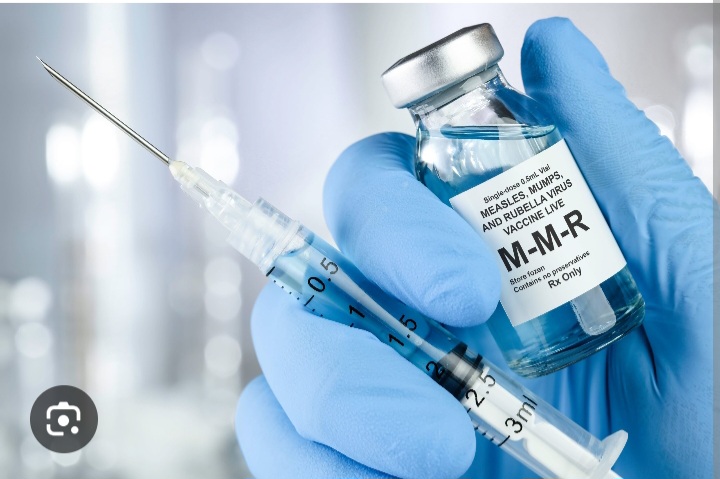
WHO reports reveal that between 2000 and 2024, global measles cases dropped by 71 percent, thanks to widespread vaccination efforts. Over the same period, annual deaths fell by 88 percent, saving approximately 59 million lives. However, those gains may be unravelling. In 2024 alone, an estimated 11 million people contracted measles, nearly 800,000 more than in 2019 (pre-pandemic period).
The surge is largely attributed to a decline in vaccination coverage. In 2024, just 84 percent of children worldwide received their first measles vaccine dose, and only 76 percent received the recommended second dose, far below the minimum 95 per cent coverage WHO considers necessary to prevent outbreaks.
Alarmingly, countries that had once been declared measles-free are seeing new outbreaks. For instance, as of 2025, the entire Pan American Health Organization (PAHO) region, once free of endemic measles, is once again at risk after rising cases in Canada, the United States, and Mexico, Reuters reports.
WHO defines “elimination” as the absence of endemic measles virus transmission in a region for more than 12 months. According to the WHO report, by end-2024 only 96 countries had achieved that status, a marginal increase since before the pandemic, underscoring how fragile progress has become.
In a strong warning, WHO Director-General Tedros Adhanom Ghebreyesus said: “Measles is the world’s most contagious virus; it will exploit any gap in our collective defences.”
Compounding the problem, recent cuts in global health funding, particularly reductions in support for the Global Measles and Rubella Laboratory Network (GMRLN), have compromised surveillance and outbreak response capacity, increasing the risk of further spread.
Unless immunization programs are reinforced and funding restored, many children will remain vulnerable, and the goal of a measles-free world may slip further out of reach.





















.jpeg)





































