
Mosiuoa Lekota, Anti-Apartheid Veteran and COPE Leader, Dies at 77
Mosiuoa “Terror” Lekota, former Defence Minister, anti-apartheid activist, and co-founder of the Congress of the People (COPE), has died at the age of 77 following a period of illness. Lekota, a former Robben Island prisoner and influential political leader, was known for his long-standing commitment to South Africa’s democratic transition and public service.
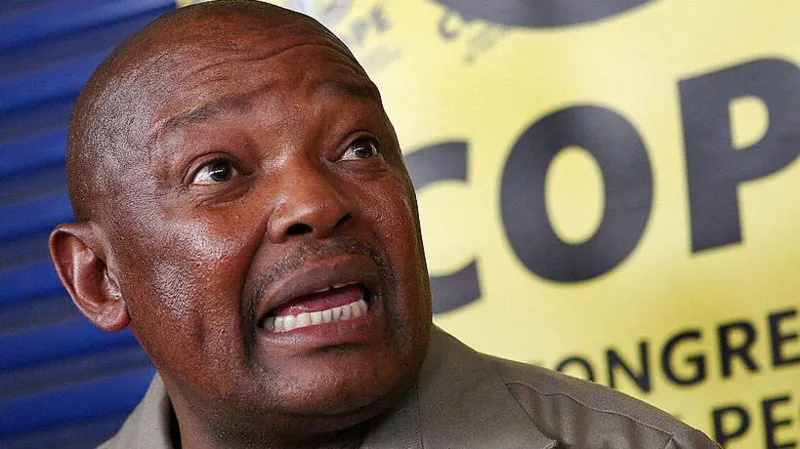
The Congress of the People (COPE) confirmed the passing of its President, Mosiuoa Lekota, on Wednesday, noting that the family has requested privacy during this difficult time, according to SABC News. The party added that it would provide updates on memorial arrangements and tributes in due course, reported by Channel Africa.
Lekota had stepped back from active politics last year to focus on his health, leading to the appointment of Teboho Loate as COPE’s interim leader, according to SABC. Loate paid tribute to Lekota, describing him as a committed leader whose absence will be deeply felt.
Born on 13 August 1948 in Kroonstad, Lekota became a student activist opposing apartheid and was imprisoned for eight years on Robben Island, where he was held alongside Nelson Mandela and other anti-apartheid leaders, reported by Mail & Guardian (MG).
After South Africa’s first democratic elections in 1994, Lekota served as the first Premier of the Free State from 1994 to 1996 and later as Minister of Defence from 1999 to 2008, one of the country’s longest-serving in that position, according to Channel Africa.
In 2008, he broke away from the African National Congress (ANC) due to internal party conflicts and co-founded COPE, creating a new platform for opposition politics in South Africa, according to MG.
Political leaders have expressed their condolences. ANC President Cyril Ramaphosa described Lekota as a “patriot and freedom fighter” and “servant of the people,” reported by Times Live. COPE also extended its deepest condolences to Lekota’s family and supporters while urging respect for their privacy.
Lekota’s legacy is remembered for his steadfast fight against apartheid, his dedication to public service, and his role in shaping South Africa’s opposition politics. His passing marks the end of a significant chapter in the nation’s democratic history, according to MG and Channel Africa.





















.jpeg)





































