
Nigeria calls for Gulf investment to secure global oil supply during crises
Nigeria is urging oil-producing nations in the Gulf to invest in its energy sector as tensions in the Middle East threaten global oil supply routes. The country says partnerships could help diversify supply and stabilise the global energy market.
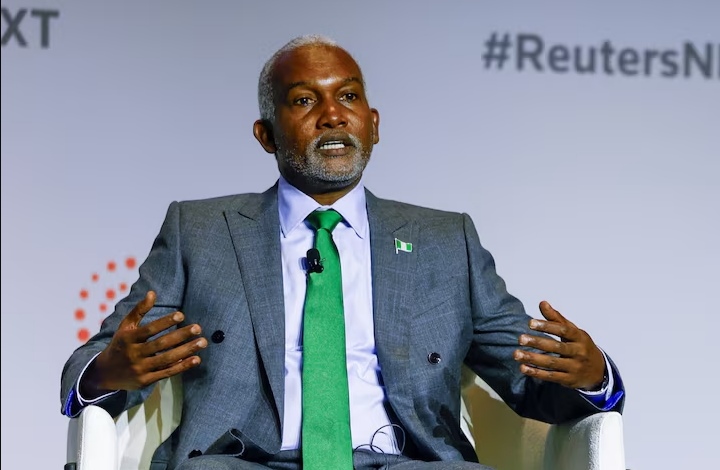
Nigeria has called on oil-producing countries in the Gulf region to invest in its oil and gas sector as part of efforts to secure global energy supplies during international crises.
Nigeria’s Foreign Minister, Yusuf Maitama Tuggar, said partnerships between Gulf producers and Nigeria could help diversify oil supply and reduce risks when conflicts disrupt major shipping routes. According to Reuters, Tuggar made the remarks while discussing the impact of the ongoing Middle East conflict on global energy markets.
The appeal comes as tensions involving Iran have disrupted oil shipments passing through the Strait of Hormuz, one of the world’s most important oil transport routes. Reuters reported that the waterway carries roughly one-fifth of global oil supply, meaning any disruption can quickly push up global energy prices.
Tuggar said countries that may see Nigeria as a competitor should instead view it as a strategic partner capable of strengthening global energy security. According to Reuters, Nigeria believes its untapped oil and gas reserves offer an alternative source of supply at a time when international demand for hydrocarbons remains high.
Nigeria has been trying to revive its oil sector after years of challenges that included under-investment, pipeline vandalism and crude oil theft. Reuters reported that the country has increased its oil production to about 1.7 million barrels per day, up from roughly 1.4 million barrels per day when President Bola Tinubu took office in 2023.
The government believes additional foreign investment could help increase production further through new oil fields and pipeline infrastructure.
Nigeria has already taken steps to strengthen economic ties with Gulf countries. According to Reuters, Nigeria and the United Arab Emirates signed a Comprehensive Economic Partnership Agreement in January aimed at boosting trade and investment between the two countries. Investors linked to Qatar have also announced plans to invest in Nigeria’s gas sector, although details on the timelines remain unclear.
However, energy analysts caution that large investment pledges in Nigeria often take time to materialise. Reuters reported that long approval processes and operational risks sometimes delay the implementation of major energy projects in the country.
Nigeria has also felt the effects of rising oil prices because it imports large quantities of refined fuel. Higher crude prices can push up transportation and food costs, especially during the Muslim fasting month of Ramadan, when demand for goods increases.
Despite these challenges, the government believes the country’s energy sector will become more resilient as domestic refining capacity improves. Reuters reported that the privately owned Dangote refinery, with a capacity of about 650,000 barrels per day, is expected to meet most of Nigeria’s local fuel demand.
Tuggar said global oil demand is likely to remain strong for many years. According to Reuters, he noted that the world currently consumes around 105 to 106 million barrels of oil per day, meaning reliable supply partnerships will remain important for global energy stability.





















.jpeg)





































