
Opinion | No Child Should Suffer to Learn
13-year-old Kajal Gaur left home believing it was just another school day. She carried her schoolbag like any other learner, unaware that the weight on her shoulders would soon become the symbol of a national debate on discipline, child safety, and accountability in Indian schools.
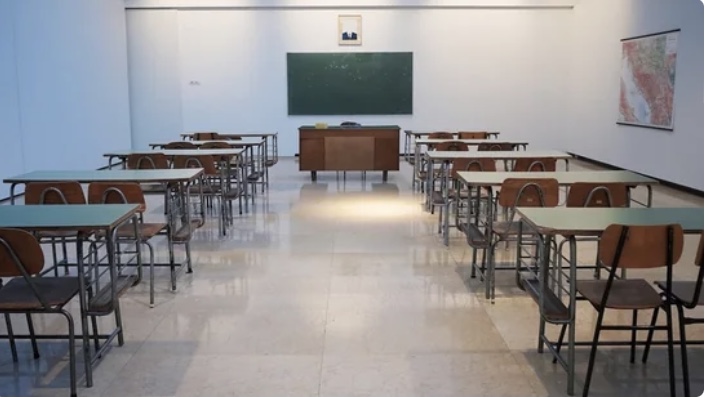
When 13-year-old Kajal Gaur walked into school on November 8, 2025, she was not defiant, violent, or disruptive. She was simply late, a mistake many adults commit daily without life-threatening consequences. Yet, according to an initial police inquiry and witness accounts reported by national newspapers, she was allegedly ordered to perform 100 sit-ups while carrying her school bag as punishment. Days later, she was dead, not because of an accident, an illness, or an unavoidable tragedy, but because an adult with authority may have forgotten the fundamental purpose of education: protection, not persecution.
India criminalised corporal punishment years ago, not as a symbolic reform, but because research has consistently shown its harm to physical, psychological, and cognitive development. The Right to Education Act does not merely discourage teachers from inflicting physical pain, it prohibits it. Yet, cases continue to surface, revealing that some classrooms remain governed by fear rather than guidance. Kajal’s death is therefore not an isolated moment of misjudgment; it is the result of an embedded disciplinary culture that privileges control over care.
What makes this case particularly disturbing is the allegation that the school involved may have been operating beyond its licensed limits and had possibly concealed municipal warnings, a claim raised by activists and reported by the media. If true, then the tragedy extends beyond a single act of punishment to a systemic failure where regulation, oversight, and student safety were compromised long before Kajal was asked to squat with a bag on her shoulders.
The loudest voices now should not merely demand punishment for individuals, but reforms for institutions. School safety cannot depend on luck, privilege, or which adult happens to be on duty. Teacher training must evolve from compliance-based seminars to compulsory, standardised modules on child psychology, trauma-informed discipline, and emergency response. In addition, corrective physical exercise needs to be formally classified, at policy level, as a form of corporal punishment, not as a harmless “drill” which is a distinction medical experts have already warned about, citing risks such as rhabdomyolysis, internal injury, and respiratory complications.
More importantly, society must finally abandon the romanticised narrative that strictness builds character. Punishment does not produce resilience; support does. Pain does not teach discipline; guidance does. And humiliation does not prepare children for adulthood; safety does.
Kajal’s story is a mirror, and we must dare to look. The question is not, “How could this happen?” We already know the answer. The real question is: Will we allow it to happen again?





















.jpeg)





































