
Pakistan Faces Pressure Amid Protests Over the Killing of Iran Leader
Pakistan is facing growing internal pressure after protests erupted among Shi’ite communities following the killing of Iran’s Supreme Leader Ayatollah Ali Khamenei in U.S. and Israeli strikes. The unrest is testing Islamabad’s efforts to maintain relations with the United States while managing domestic anger and regional tensions.
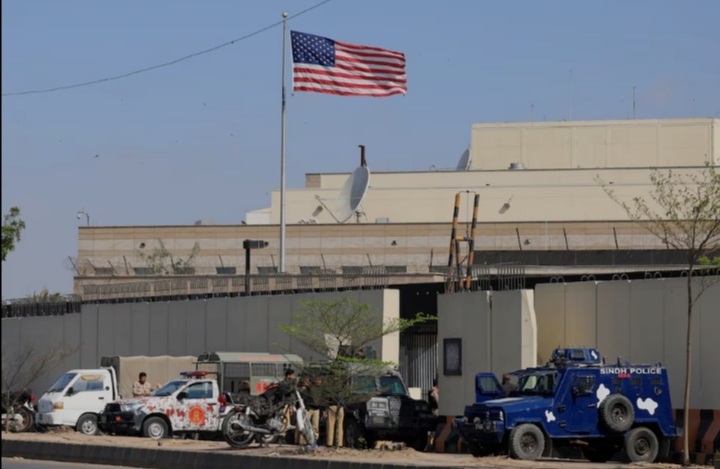
Pakistan is facing mounting domestic pressure as anger among its Shi’ite community grows following the killing of Iran’s Supreme Leader, Ayatollah Ali Khamenei, in joint United States and Israeli strikes.
Large protests broke out in several cities, including Karachi, where demonstrators stormed the United States Consulate. According to Reuters, security forces and U.S. Marines fired shots after some protesters breached the compound’s walls, with video footage showing several demonstrators armed and firing towards the facility.
The unrest reflects the difficult position Pakistan now finds itself in, as the government tries to maintain diplomatic ties with Washington while responding to outrage among local Shi’ites, who view Khamenei as an important spiritual leader.
According to Reuters, at least 26 people were killed in clashes between protesters and police following the announcement of Khamenei’s death. Demonstrations spread in several cities, signalling strong emotions among Pakistan’s Shi’ite population, which is the second-largest in the world after Iran.
Pakistan’s government has not publicly issued a detailed statement on the protests. However, a senior security official told Reuters that balancing diplomatic relations with the United States while managing domestic backlash has become a major concern for authorities.
The situation is further complicated by Pakistan’s growing political and military partnerships in the region. Islamabad maintains close ties with Saudi Arabia and recently signed a defence pact that treats aggression against either country as a joint security threat, according to Reuters.
At the same time, Pakistan has recently improved its relationship with the United States after President Donald Trump returned to power. According to Reuters, Washington removed Pakistan from a long-standing security blacklist and strengthened diplomatic cooperation.
Analysts say the current crisis could force Pakistan to make difficult political choices. Arsalan Khan, an assistant professor at the University of Tennessee, told Reuters that Pakistan is attempting to maintain domestic stability by showing solidarity with Iran while also avoiding damaging its relationships with the United States and its Gulf allies.
Regional tensions are also increasing due to renewed fighting along Pakistan’s border with Afghanistan, adding another layer of security pressure for Islamabad.
Observers warn that if the conflict involving Iran, the United States and Israel intensifies, Pakistan may face even greater challenges balancing its internal stability and international commitments.





















.jpeg)





































