
Polls Open as South Australia Votes in High-Stakes State Election
Voters across South Australia headed to the polls for the 2026 state election, with about 600 voting stations open and a record 454,800 people casting ballots early; more than double the previous election. A total of 388 candidates are contesting the election, while Premier Peter Malinauskas seeks re-election against opposition leader Ashton Hurn, with One Nation also drawing attention for its potential impact. Although Labor is expected to win, analysts are closely watching how minor parties perform and influence the final outcome.
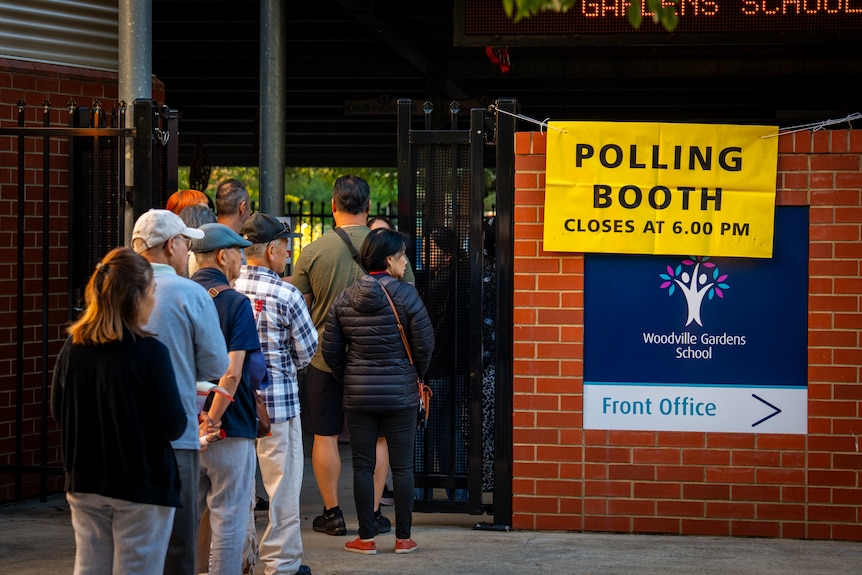
Voters across South Australia headed to polling stations on Saturday in a closely watched state election marked by record early turnout, a surge in candidates and shifting political dynamics that could reshape the opposition landscape.
Polling booths opened at 8 am and will close at 6 pm, with about 600 voting centres operating statewide. According to the Electoral Commission of South Australia, an unprecedented 454,800 people had already cast their ballots before election day, more than double the 212,000 early votes recorded in the 2022 poll. Electoral Commissioner Mick Sherry described the figure as “incredible” and beyond expectations, noting that recent changes allowing early voting without requiring a reason contributed to the surge, ABC News reported.
The election features a record 388 candidates contesting seats in the House of Assembly, a significant increase from 240 candidates in the previous election, highlighting growing political participation and competition.
Authorities indicated that the unusually high number of early votes could affect the pace of counting after polls close. According to ABC News, Mr Sherry noted that election officials had to increase ballot printing and staffing to manage demand. However, recruitment challenges led to the merging of some polling stations in areas such as Whyalla.
Postal voting has also risen sharply, further reflecting a shift towards more flexible voting options. However, officials warned that processing these votes may delay final results in some electorates.
Premier Peter Malinauskas cast his vote in Woodville Gardens, emphasising economic growth and housing supply as central priorities if re-elected. He said maintaining momentum in building new homes would improve living standards and expand opportunities for families, ABC News reported.
Opposition leader Ashton Hurn voted in Angaston and focused her campaign on addressing “bread-and-butter” issues, including public transport affordability, tax reforms and cost-of-living pressures. Despite polls suggesting a difficult path for her party, she maintained an optimistic outlook and pledged to continue campaigning until polls closed.
Meanwhile, Robert Simms expressed confidence in growing support for the Greens, pointing to concerns among voters about the cost of living and environmental issues, including the ongoing algal bloom crisis.
The election is also being closely watched for the performance of One Nation, which some polls suggest could challenge the Liberal Party’s position as the official opposition. The party has gained attention during the campaign, particularly following visits by federal leader Pauline Hanson.
According to ABC News, political analysts view the outcome as a key test of minor party influence, particularly in the upper house, where vote splitting among conservatives could reshape parliamentary balance.
Despite the scale of the election, logistical issues emerged, including last-minute staffing shortages that led to the closure or consolidation of some polling booths. Election officials advised voters seeking to avoid queues to consider voting later in the day, as mornings typically see the highest turnout, ABC News noted.
Counting begins immediately after polls close at 6 pm, but the high volume of early and postal votes means final results in some seats may take longer to confirm. While opinion polls suggest a likely victory for Labor, attention remains focused on how opposition and minor parties perform.
As ballots are cast across the state, the outcome is expected to influence not only South Australia’s political direction but also broader national conversations around voter behaviour, early voting trends and the rising role of smaller parties.





















.jpeg)





































