
Ruto draws backlash after remarks on Nigerian English
Kenyan President William Ruto has sparked criticism across Africa after suggesting Nigerian-accented English is difficult to understand, prompting debate on language, identity and colonial influence.
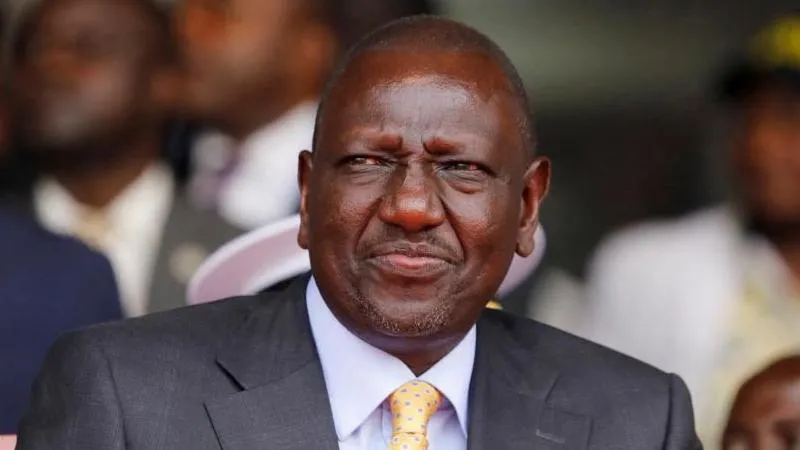
Kenyan President William Ruto has come under fire following remarks in which he questioned the clarity of Nigerian-accented English, triggering widespread reaction online and across the continent.
Speaking to Kenyans living in Italy, Ruto stated that Nigeria’s English accent could be difficult to understand and jokingly suggested that one might need a translator. He went on to praise Kenya’s education system, saying it produces some of the best English speakers globally, according to BBC News.
The comments quickly drew criticism, particularly from Nigerians and other Africans, who described the remarks as dismissive and unnecessary. Zimbabwean journalist Hopewell Chin'ono said English should not be used as a measure of intelligence or national development, noting its colonial origins.
Both Kenya and Nigeria use English as an official language, a legacy of British colonial rule. However, the way English is spoken in each country has evolved differently. Nigeria, with over 500 local languages, has developed a distinct form of English shaped by its diverse linguistic environment. Kenya’s English is influenced by Bantu, Nilotic and Cushitic languages.
Critics also pointed to Nigeria’s strong literary reputation, referencing figures such as Nobel laureate Wole Soyinka and renowned authors Chinua Achebe and Chimamanda Ngozi Adichie. Former Nigerian senator Shehu Sani questioned the basis of the remarks, highlighting the country’s global cultural influence.
The incident has also reignited ongoing online rivalry between Kenyans and Nigerians, often seen on social media platforms where debates range from economics to culture. According to Reuters, such exchanges have recently intensified following comments by Nigerian President Bola Tinubu suggesting Nigerians were better off than citizens of other African nations. Despite the backlash, some Kenyans have defended Ruto, arguing that his comments were meant humorously and taken out of context.
Nigeria remains the country with the highest number of English speakers in Africa. Its version of English, commonly referred to as Nigerian English, continues to influence global usage, with phrases and expressions increasingly recognised internationally, as reported by Reuters.
No official statement has been issued by the Kenyan government in response to the criticism.





















.jpeg)





































