
SA Moves to Relax Money Rules to Draw Trillions in Investment
South Africa is planning major changes to its exchange control system to attract investment, modernise financial regulations and strengthen its position as a leading financial hub in Africa.
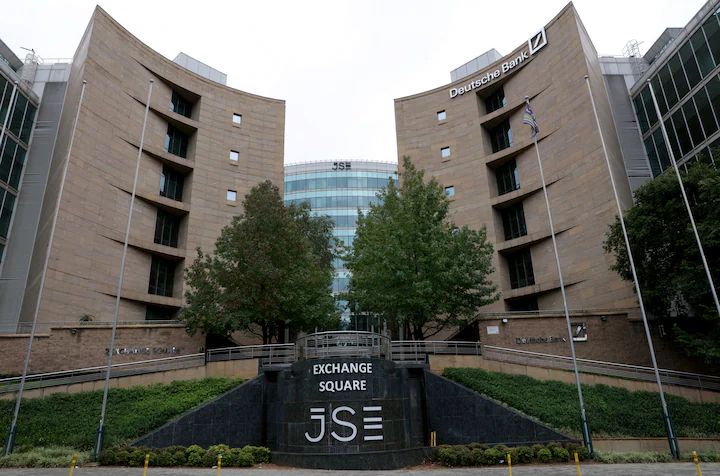
South Africa has unveiled plans to overhaul its long-standing exchange control system in a move aimed at attracting trillions of rand in new investment and boosting its financial sector, according to Reuters.
The proposed reforms will ease restrictions on the movement of money in and out of the country, while introducing clearer regulations for emerging financial areas such as cryptocurrency, as reported by Reuters.The country’s National Treasury published draft proposals for public comment earlier this month, signalling a shift from strict control measures that date back decades, some as early as the 1930s and 1960s, according to Reuters.
Officials say the new approach will focus on targeted regulation instead of broad restrictions, including increasing offshore investment limits for individuals and easing rules for businesses handling foreign capital, as reported by Reuters.A key proposal is to allow asset managers to run non-rand funds locally, meaning funds operating in foreign currencies like the US dollar could be managed within South Africa instead of offshore, according to Reuters.
Experts indicate that current rules have led to a loss of jobs and investment to financial hubs such as Mauritius and Dubai, with the Johannesburg Stock Exchange estimating the reforms could attract up to 10 trillion rand in investment over time, as reported by Reuters.The proposals will also bring cryptocurrency into the formal regulatory framework, requiring large transactions to be processed through approved intermediaries and reported to authorities, according to Reuters.
Government officials say the reforms form part of a broader effort to modernise the economy and respond to global financial changes, with the aim of making South Africa more competitive and attractive to investors, as reported by Reuters.If implemented, the changes are expected to mark a major shift from strict exchange controls to a more open and investment-friendly system, according to Reuters.





















.jpeg)





































