
Senegal Grounds Ministers as Global Oil Prices Surge
Senegal has suspended non-essential foreign travel for government ministers as rising global oil prices strain the country’s finances, with authorities warning of further cost-cutting measures.
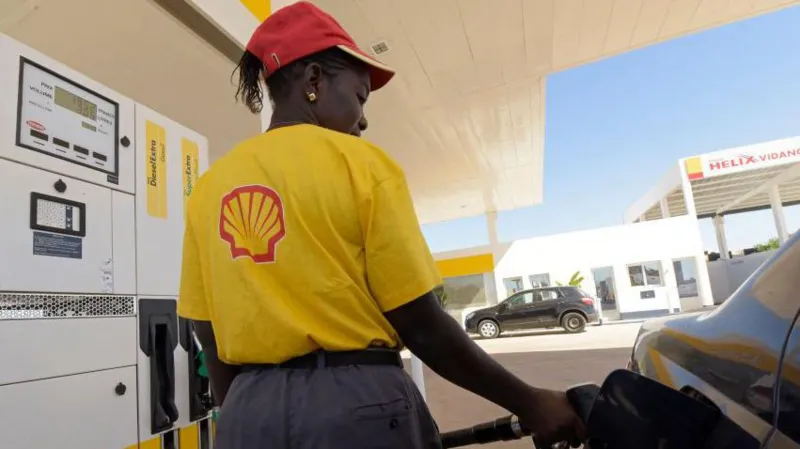
The government of Senegal has banned ministers from undertaking non-essential foreign trips as it moves to contain public spending amid rising global oil prices, according to BBC News.
Prime Minister Ousmane Sonko announced the measure during a youth engagement event, stating that the cost of crude oil is now nearing double what had been projected in the national budget. He confirmed that he had also postponed his own planned visits to Niger and Spain as part of the austerity steps, BBC News reported.
The restriction is part of a broader effort by the government to manage rising expenditure linked to fuel imports. Despite recent developments in its oil and gas sector, Senegal remains heavily dependent on imported fuel, making it vulnerable to global price shocks.
Authorities indicated that additional measures to reduce government spending will be announced in the coming days, with the mining sector expected to play a role in outlining further interventions.
The current crisis has been largely driven by disruptions linked to tensions in Iran, which have pushed oil prices upward. According to BBC News, the situation has placed pressure on several African economies, prompting varied responses across the continent.
In South Africa, the government has moved to ease the burden on consumers by reducing fuel taxes, while Ethiopia has faced fuel shortages that forced some public institutions to send workers on leave. Meanwhile, South Sudan has introduced electricity rationing in its capital, and Zimbabwe is increasing ethanol blending in petrol, BBC News reported.
Further compounding the situation is the disruption of key global supply routes, particularly the Strait of Hormuz, which has affected not only fuel shipments but also the movement of fertiliser. Reports indicate that about 30% of global fertiliser supplies pass through the route, raising concerns over food security, especially in regions dependent on imports.
The International Monetary Fund had previously described Senegal’s economy as strong, with growth nearing 8% and relatively low inflation. However, the country’s public debt, estimated at over 130% of its gross domestic product, continues to pose a significant challenge.
Prime Minister Sonko attributed the high debt levels to previous administrations, noting that they have limited the government’s ability to respond effectively to external shocks such as the current surge in oil prices, as reported by BBC News.
Despite the economic strain, Sonko urged resilience among citizens, acknowledging the difficulties while emphasizing the need for collective endurance in a challenging global environment.





















.jpeg)





































