
South African Man’s Australian Visa Revoked After Neo-Nazi Rally
Australian authorities have revoked the visa of South African national Matthew Gruter after he attended a neo-Nazi rally outside the NSW Parliament. Detained pending deportation, Gruter’s visa was cancelled on character grounds, highlighting Australia’s strict stance on extremism and the legal powers available to act against foreign nationals engaging in hate-based public activities.
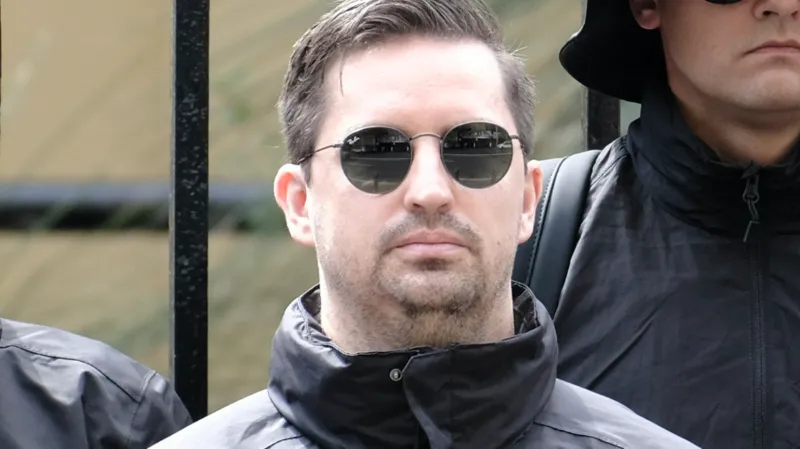
Australian authorities have cancelled the visa of a South African man after he attended a neo-Nazi rally outside the New South Wales Parliament, highlighting the government’s increasing focus on extremism and public safety.
The man, identified as Matthew Gruter, reportedly participated in the rally where participants displayed neo-Nazi symbols and chanted slogans linked to Hitler Youth. Immigration authorities acted swiftly to cancel his visa on “character grounds,” citing a potential risk to the Australian community.
A report from The Guardian states that the visa revocation was carried out under provisions of Australia’s Migration Act, which allows authorities to cancel visas of non-citizens involved in extremist activity, even if no criminal charges have been filed. This demonstrates the government’s proactive use of legal tools to address threats posed by foreign nationals engaging in ideologically motivated public actions.
Following the cancellation, Gruter was detained at Villawood Immigration Detention Centre in Sydney pending deportation. Local reports note that authorities are processing his removal while ensuring compliance with legal obligations, including the protection of his safety upon return to South Africa.
A report from ABC News emphasizes that visa cancellations on character grounds have become a common method to mitigate risks from individuals associated with extremist groups. Experts have observed that far-right movements occasionally stage public appearances in Australia, prompting heightened vigilance by law enforcement and immigration services.
Legal analysts suggest that the case reinforces the government’s authority to prevent individuals from participating in extremist activity, even as it raises discussions about civil liberties and due process. While visa holders are expected to abide by Australian laws, authorities maintain that measures such as cancellation and deportation are justified when individuals engage in conduct that threatens public order.
A report from SBS News indicates that Gruter’s attendance at the rally, combined with the display of neo-Nazi insignia, was deemed sufficient to invoke the “character test” provisions of the Migration Act. These provisions allow for visa revocation when a person’s behaviour is considered incompatible with Australian values or poses a threat to the community.
The Department of Home Affairs has reinforced that these powers are part of a broader strategy to protect public safety and prevent the spread of violent extremist ideologies. Observers note that while such cancellations can prompt debate over government authority, they are widely accepted as necessary for maintaining national security.
A report from Malay Mail adds that civil rights groups are monitoring cases like Gruter’s to ensure transparency in the deportation process. They emphasise the need for due process while recognising the government’s mandate to act against threats to public order.
The revocation of Gruter’s visa signals both the legal reach of Australian authorities and the country’s zero-tolerance stance on participation in extremist rallies. Authorities have made it clear that foreign nationals engaging in hate-based public conduct will face swift consequences, reflecting a policy approach prioritising safety and the rule of law.





















.jpeg)





































