
Spanish Train Drivers Begin Nationwide Strike after Deadly Crashes and Safety Scare
Train drivers across Spain have launched a three-day nationwide strike beginning 9 February, escalating pressure on authorities over what unions describe as a failure to guarantee safety on the country’s rail network. The industrial action follows a spate of fatal railway crashes in January that have exposed maintenance shortcomings and shaken public confidence in one of Europe’s busiest systems.
The strike was called by the Sindicato Español de Maquinistas y Ayudantes Ferroviarios (Semaf) and is backed by other major unions representing rail workers. In its statement, Semaf said the walkout is the only legal way for drivers to demand that safety standards and proper maintenance be assured across the network, warning that infrastructure deterioration has reached an “unacceptable” level.
Fatal Crashes Spark Outrage
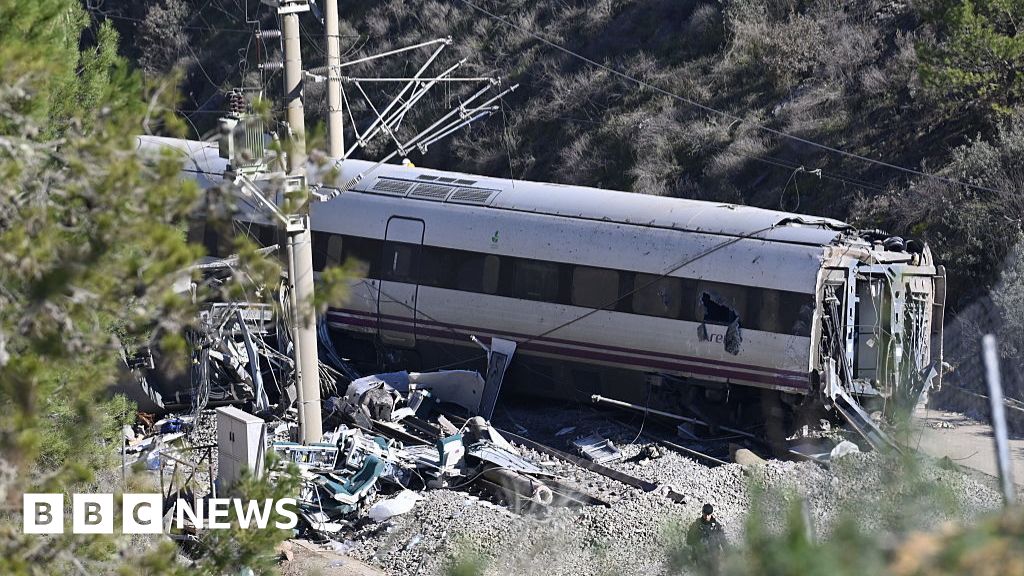
The push for nationwide action was triggered by two deadly incidents in quick succession. On 18 January, a high-speed passenger train derailed near Adamuz (Córdoba) on the Madrid–Seville corridor before colliding with an oncoming service. Preliminary investigations by the Comisión de Investigación de Accidentes Ferroviarios (CIAF) point to a fracture in the track that existed before the crash, suggesting maintenance issues may have played a role. The accident killed 46 people and injured nearly 300, marking Spain’s worst rail disaster in more than a decade.
Just two days later, a commuter train in Gelida, Catalonia, struck a retaining wall that had collapsed onto the track during heavy storms, killing a trainee driver and injuring around 37 passengers. The wall collapse amid severe weather raised fresh questions about infrastructure resilience and safety checks.
Safety Checks Reveal Widespread Issues
In the aftermath of the crashes, safety inspections revealed defects and maintenance issues on a number of routes, fuelling concerns among rail workers that the system’s upkeep is lagging behind demand. Semaf has called for increased investment, the hiring of more staff, and a re-evaluation of maintenance protocols to restore confidence in daily operations.
The union has also demanded criminal liability for those responsible for ensuring the safety of railway infrastructure, and has urged that routes affected by adverse conditions should not resume service until adequate safety guarantees are in place.
Government Response
Transport Minister Óscar Puente has sought to push back against claims of systemic failure. He has described some of the recent incidents as “tremendously strange” and insisted that there is no evidence of a lack of maintenance, outdated infrastructure, or underinvestment in the rail network. Puente highlighted that significant funds have been invested in upgrades, including a €700 million renovation on the Madrid–Andalusia line where the Adamuz derailment occurred.
Puente and other officials are expected to face questions in parliamentary sessions, including scrutiny of CIAF-commissioned reports on the crashes, as lawmakers seek clarity on what went wrong and how future tragedies can be prevented.
With hundreds of services already cancelled due to the strike and travel disruption looming, the standoff underscores growing tensions between labour and government over how best to ensure the safety of Spain’s railways.





















.jpeg)





































