
Tanzania Orders Citizens to Stay Home as Independence Day Protests Declared Illegal
Tanzania’s government has banned planned protests on December 9, the country’s Independence Day, calling them unlawful and warning citizens to remain at home as police and army deploy in major cities. The decision comes amid a heavy crackdown following post-election unrest in which hundreds were reportedly killed.
Tanzania’s government has urged citizens to stay home on December 9, the country’s Independence Day, warning that planned nationwide protests are unlawful and that security forces will act to prevent unrest.
According to Reuters, police declared on Friday that no permit had been filed by organisers and said any public gatherings would be treated as illegal.
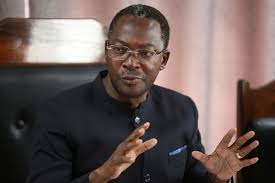
Prime Minister Mwigulu Nchemba, in a video message posted on the government’s official channel, asked people to spend the holiday at home unless they had essential work duties, and the state has cancelled official Independence Day celebrations. Africanews reported that authorities said funds set aside for ceremonies would be redirected to repair infrastructure damaged during recent unrest.
The warning follows weeks of turmoil after the 29 October presidential election, in which President Samia Suluhu Hassan was declared the winner with about 98 per cent of the vote. Al Jazeera reported that the vote was contested after key opposition figures were barred from running, and that protests that followed the result were met by a heavy security response. According to the Associated Press, hundreds of people were reported killed in post-election clashes by rights groups and the UN, a figure the government disputes while acknowledging some deaths and promising investigations.
Police and military deployments are visible in major cities. Reuters reported checkpoints and heavy patrols in Dar es Salaam, Dodoma and Arusha as authorities sought to deter mass gatherings. Africanews said at least 10 activists and opposition supporters were arrested in the days before December 9 for social-media posts and alleged incitement linked to the planned demonstrations. Human Rights Watch has called the pre-emptive arrests unlawful and urged the government to release detainees, as its statement noted.
The UN human-rights office has urged Tanzania to protect the right to peaceful assembly and to avoid excessive force if people take to the streets, the Reuters dispatch added. The United States has opened a review of its relationship with Tanzania, Reuters reported, citing concerns over human-rights restrictions, including limits on free speech and religious freedom.
Government spokespeople say the tough stance is meant to preserve order. In his address, Prime Minister Nchemba described the day as one for rest and family, and officials say they will treat organised unrest as a threat to public safety, Africanews reported. Critics and rights organisations say the government’s approach amounts to stifling dissent and prevents independent inquiries into reported abuses; the Associated Press noted that a government commission has been set up to investigate the post-election violence, but that its work has yet to publish findings.
As Independence Day approaches, many Tanzanians appear likely to heed the government’s call. Reuters and AP reporting show streets in some urban centres largely deserted on the holiday, even as activists and opposition groups continue to call for accountability. The coming days will test whether the government’s security approach holds or whether clashes and a wider political crisis reignite.





















.jpeg)





































