
Thailand–Cambodia Border Calm Holds After Ceasefire, but Trust Remains Fragile
The guns have fallen silent along the Thailand–Cambodia border after weeks of fighting, allowing villagers to return home. But accusations over drones and prisoner delays show that peace is still uncertain.
After three weeks of deadly clashes, the border between Thailand and Cambodia is quiet again. A 72-hour trial ceasefire ended on Tuesday without a return to heavy fighting, giving tired communities on both sides a chance to breathe.
For families who had fled their homes, the pause in violence meant something simple but powerful, the chance to go back. Authorities in both countries confirmed that some displaced villagers have started returning as the situation remains calm.
But while the fighting has stopped, the tension has not disappeared.
Thai officials say they are concerned about alleged drone activity near the border, which they describe as provocative. There are also complaints about delays in the release of prisoners, an issue that continues to test trust between the two neighbours.
These unresolved problems show that the ceasefire is more of a pause than a solution.
The recent conflict highlighted how quickly long-standing border disputes can turn violent. Even with diplomacy underway, including talks between senior Thai and Cambodian officials in China, the situation remains fragile.
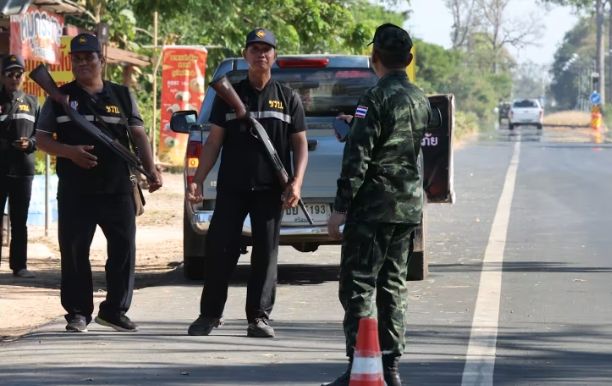
For now, soldiers remain on alert and security checks continue along border roads, a reminder that peace is being carefully watched.
The ceasefire has shown that dialogue can stop the fighting. Whether it can lead to lasting stability depends on what happens next, not just on the battlefield, but at the negotiating table.
For border communities who have lived with fear and uncertainty, the hope is simple: that calm will last longer than the conflict that drove them from their homes.





















.jpeg)





































