
Tigray on Edge as Ethiopia–Eritrea Tensions Spark Fears of Renewed War
Fresh tensions between Ethiopia and Eritrea have raised fears of another devastating conflict in northern Ethiopia’s Tigray region. Residents and observers warn that renewed hostilities could reverse fragile gains made since the 2022 peace deal that ended two years of civil war.
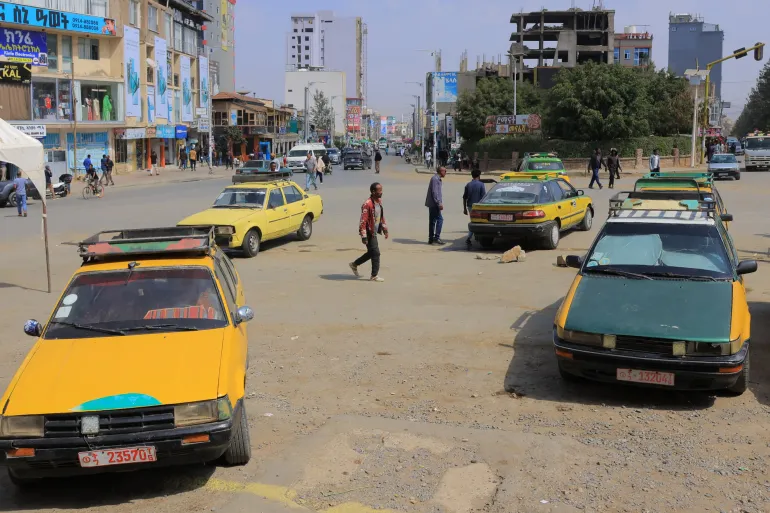
Anxiety is rising in Ethiopia’s northern Tigray region amid escalating tensions between the federal government in Addis Ababa and neighbouring Eritrea, fuelling fears of renewed conflict just four years after a brutal civil war ended.
According to Al Jazeera, residents in Tigray’s capital, Mekelle, say people are once again leaving the region in search of safety as political tensions intensify along the Ethiopia-Eritrea border.
The fresh strain follows remarks by Ethiopian Prime Minister Abiy Ahmed earlier this month, where he told parliament that Ethiopia’s separation from the Red Sea “cannot remain forever,” a statement that has been interpreted by Eritrea as a possible territorial ambition. Eritrea, which gained independence from Ethiopia in 1993, controls the strategic port of Assab.
Ethiopia has, in turn, accused Eritrean forces of occupying parts of its territory along the shared border and called for their withdrawal. In an open letter cited by Al Jazeera, Ethiopia’s Foreign Affairs Minister Gedion Timothewos described the alleged presence of Eritrean troops inside Ethiopian territory as “acts of outright aggression.” Eritrea has denied the claims.
The tensions come at a fragile time for Tigray, which is still recovering from the 2020–2022 war between Ethiopia’s federal government and the Tigray People’s Liberation Front (TPLF). The conflict, which also involved Eritrean forces, left tens of thousands dead and displaced millions.
A peace agreement signed in Pretoria in November 2022 formally ended the war. However, humanitarian agencies have reported that the region remains deeply scarred. According to reporting by Al Jazeera, much of Tigray’s healthcare infrastructure was destroyed during the fighting, schools remain disrupted, and public servants have gone months without pay as funding challenges persist.
Human rights groups previously documented atrocities during the conflict, including killings in Axum in November 2020. Amnesty International reported at the time that hundreds of civilians were killed in the historic town, allegations both Ethiopia and Eritrea denied for years. Earlier this month, Prime Minister Abiy acknowledged that mass killings had occurred in Axum, marking a significant shift in official tone, according to Al Jazeera.
Observers warn that another confrontation between Ethiopia and Eritrea could once again draw Tigray into violence. Kjetil Tronvoll, a professor of peace and conflict studies at Oslo New University College, told Al Jazeera that a new war would have “wide-reaching implications” for Ethiopia and the wider Horn of Africa region.
Residents in Mekelle say fear is spreading as memories of past atrocities remain fresh. Some young people are reportedly seeking to leave the country through irregular migration routes, fearing a return to instability.
The United Nations has also expressed concern. Ravina Shamdasani, spokesperson for the UN human rights office, said the situation is “highly volatile” and warned that further deterioration could worsen the already fragile humanitarian and human rights conditions in the region, as reported by Al Jazeera.
While no formal declaration of war has been made, analysts say the growing war of words between Addis Ababa and Asmara signals a dangerous moment for a region that has yet to fully recover from one of Africa’s deadliest recent conflicts.
For many in Tigray, the fear is not political, it is personal. After years of displacement, loss and economic hardship, communities say they cannot endure another round of war.





















.jpeg)





































