
Trump’s NATO Afghanistan Comments Spark Outrage across UK
U.S. President Donald Trump has provoked sharp criticism in the United Kingdom after claiming that NATO troops “stayed a little back, a little off the front lines” during the Afghanistan war, remarks that British politicians, veteran families and government ministers have branded deeply offensive and historically inaccurate.
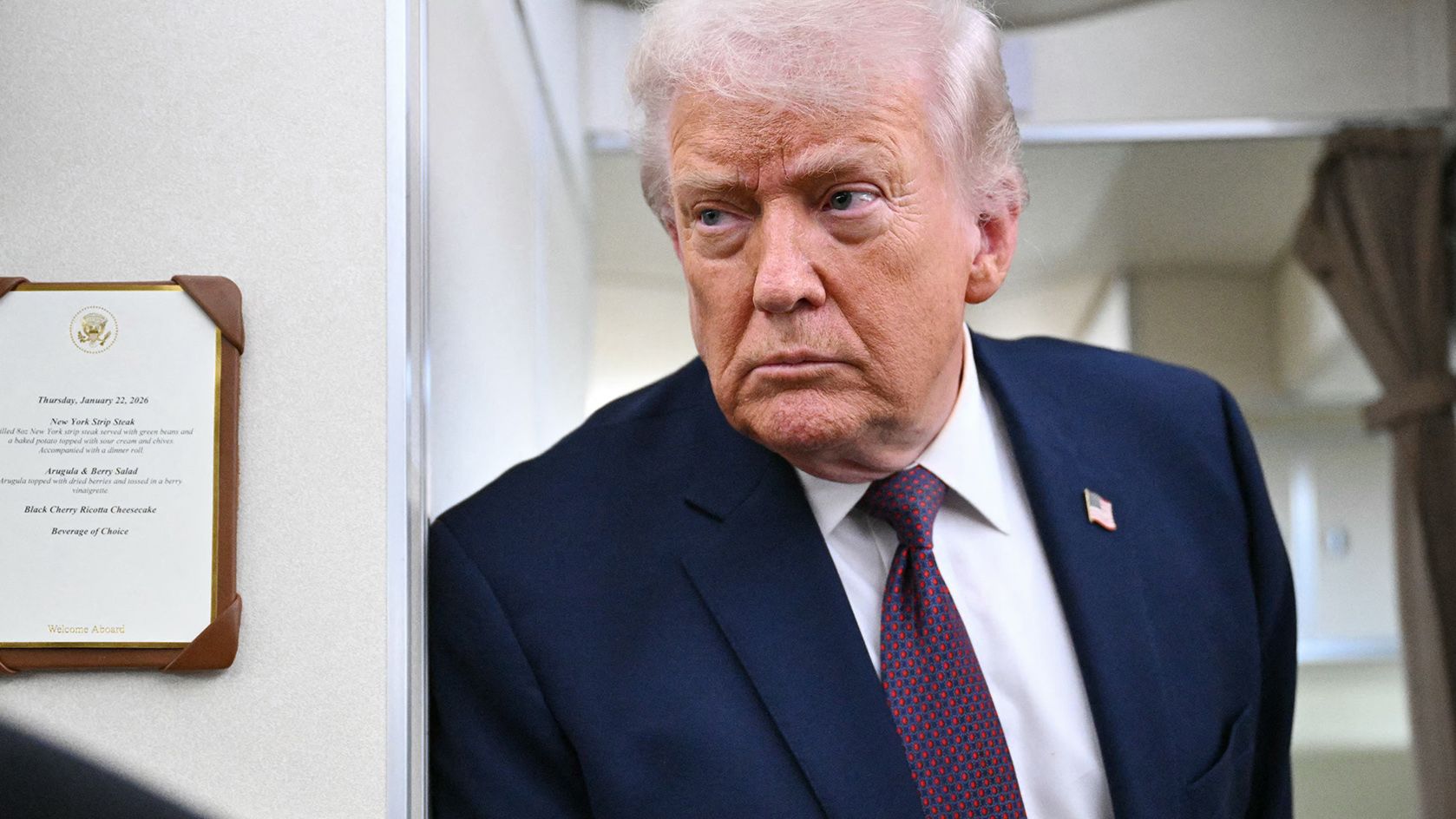
In a Fox News interview, Trump also cast doubt on the reliability of NATO’s mutual defence pledge under Article 5 of the alliance’s treaty, saying he was “not sure” member states would come to America’s aid if needed, and asserting that “we’ve never needed them.”
The comments sparked an immediate backlash in the UK, where more than 450 British service personnel were killed during two decades of combat in Afghanistan after NATO invoked Article 5 following the September 11, 2001 terrorist attacks.
Health and Social Care Minister Stephen Kinnock described Trump’s remarks as “deeply disappointing” and said they “just don’t add up” given the historic contributions of UK forces. Kinnock emphasised that British troops served “shoulder to shoulder” with American and other allied forces on the front lines, and pointed out that many NATO members suffered casualties supporting U.S.-led missions in Afghanistan and Iraq.
Kinnock and other UK political figures dismissed Trump’s claims as divorced from reality, with Labour’s Emily Thornberry telling the BBC that it was “an absolute insult” to families of those who fought.
Outrage has spread beyond Westminster, with families of veterans and former frontline soldiers calling the comments disrespectful to the sacrifices made. Sir Ed Davey and other MPs highlighted Trump’s own avoidance of U.S. military service while questioning allied commitment.
The episode underscores ongoing strains in transatlantic ties and renewed debate over the future cohesion of NATO.





















.jpeg)





































