
U.S. Federal Government Shutdown: What It Means for the Country
The U.S. federal government partially shut down early Saturday after lawmakers in Congress failed to agree on funding for several agencies before the midnight deadline, halting operations for parts of the government. The impasse stemmed from disagreements over key funding bills, particularly those involving the Department of Homeland Security, as lawmakers worked up to the deadline without a full spending agreement.
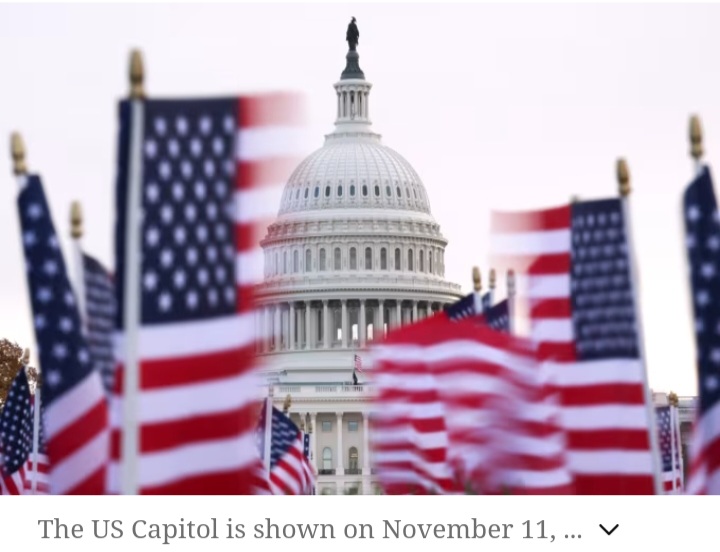
Unlike last year’s record-long shutdown, this one is expected to be less painful for many Americans. That’s because several major federal agencies have already been funded for the rest of the fiscal year, including Agriculture, Veterans Affairs, Interior, Energy, Justice and Commerce, meaning their operations continue uninterrupted.
“Overall, the impact felt will be negligible,” Rachel Snyderman, managing director of economic policy at the Bipartisan Policy Center, told CNN. Snyderman noted that funding gaps affect only certain departments whose appropriations bills were not finalized in time.
How This Shutdown Came about
Congress annually must pass 12 appropriations bills to fund the government through the fiscal year ending September 30. When lawmakers fail to complete this process by the deadline, funding lapses and a shutdown occurs. For the reason that half of these spending bills were approved earlier, only parts of the government are affected.
Negotiators in the Senate recently passed a large spending package that would fund most of the government, but the House of Representatives did not act on the revised version before the deadline, triggering the lapse.
Immediate Impacts
Even a partial shutdown can bite:
- Travel delays at airports: Federal workers such as TSA officers and air traffic controllers are classified as essential and must continue working, but may do so without pay, potentially leading to delays and staffing shortages if the shutdown persists.
- Missed paychecks: Federal employees whose agencies lose funding may be furloughed or required to work unpaid until a funding deal is reached.
- Halted federal loans: Services like mortgage or small business loan processing could slow or stop, affecting borrowers’ plans and financial decision-making.
Official Government Response
An Office of Management and Budget (OMB) spokeswoman told CNN that agency guidance had been issued to implement shutdown procedures, including notifications for federal workers about furloughs or unpaid work. Agencies are required by law to stop “non-essential” activities without funding.
What Happens Next
Lawmakers on both sides have indicated they may act quickly once the House reconvenes, and many analysts expect this shutdown to be temporary. Unlike last year’s 43-day closure, which deeply disrupted services and the economy, this lapse is narrower in scope and cushioned by the already approved funding for much of the government.
For many Americans, basic services like Social Security, Medicare and postal delivery will continue, as these are funded through separate mechanisms. However, the longer the funding gap continues, the more likely it is that disruptions, from travel headaches to delayed benefits, will spread.





















.jpeg)





































