
Uber rewrites contracts to avoid UK’s new taxi tax
Uber has moved to sidestep a newly implemented UK “taxi tax” by fundamentally changing its contractual relationship with drivers outside London, effectively dodging a planned increase in value-added tax (VAT) on ride-hailing fares.
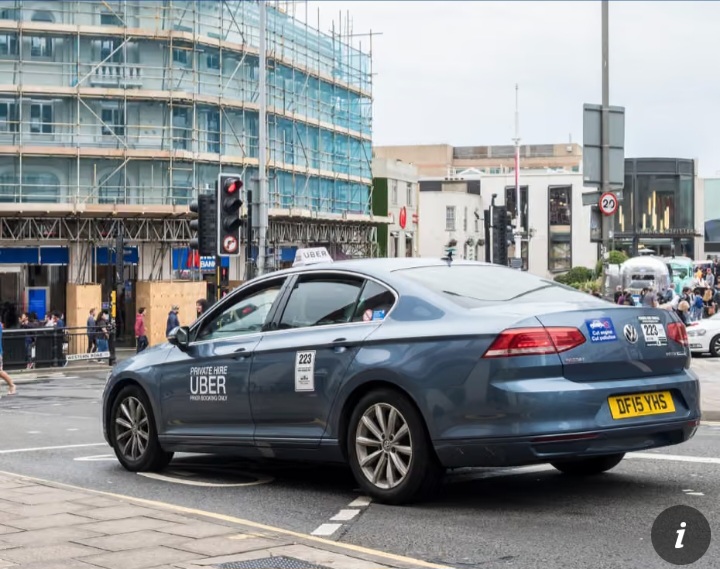
The change comes into effect as Chancellor Rachel Reeves’s November 2025 budget reforms start to bite. The Treasury introduced new rules requiring private-hire fares, including those booked via apps such as Uber, to be fully subject to the standard 20% VAT, a measure projected to raise around £700 million a year for the public finances.
Under the updated terms issued to drivers from January 2026, Uber will no longer be classed as the supplier of transport services outside London. Instead, the ride-hailing giant will operate as an agent, with drivers entering into contracts directly with passengers. That means drivers, not Uber, are legally responsible for charging and remitting VAT if they exceed the UK’s £90,000 VAT registration threshold. Since most drivers fall below that threshold, the majority of fares outside London will likely remain untaxed, and Uber avoids paying VAT on total fares collected through its platform.
The Guardian reported that in London, however, the agency model is prohibited under Transport for London (TfL) rules. There, Uber must still act as the supplier of services, meaning VAT applies to the full fare paid by passengers in the capital.
Uber’s regional UK general manager, Andrew Brem, warned that the government’s reforms could make journeys more expensive in London and reduce work for drivers, describing the resulting situation as “absurd” given differing tax treatments across regions.
Treasury officials say the VAT reform will create a fairer tax system and benefit traditional taxi drivers who already pay full VAT. Yet Uber’s contractual restructuring shows how companies can adjust legal relationships in response to tax changes, potentially undermining the original revenue goals of the “taxi tax.”





















.jpeg)





































