
US Halts Somalia Assistance Over Alleged Seizure of American-Funded Food Aid
The United States has suspended all aid to Somalia’s federal government after alleging Somali officials destroyed a warehouse and seized 76 metric tons of food intended for vulnerable citizens, a move Somalia denies.
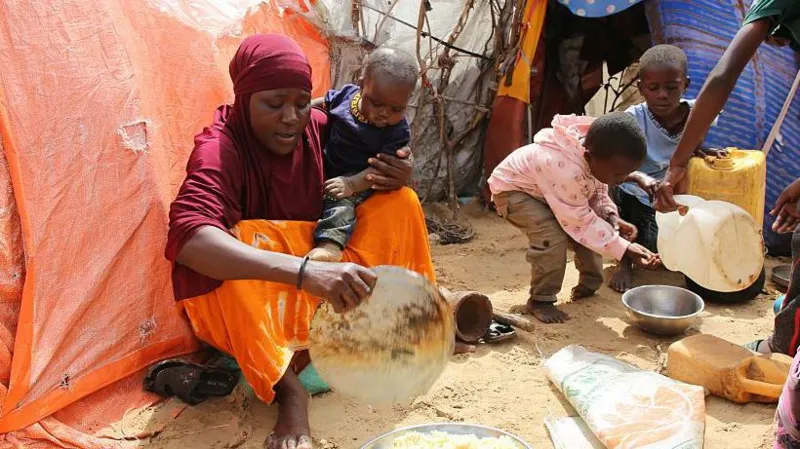
The United States government has suspended all assistance to the Somali federal government after accusing Somali officials of unlawfully seizing and destroying food aid funded by American donors, intensifying tensions between the two countries.
In a statement posted on the social media platform X, the U.S. State Department said it had paused all ongoing U.S. assistance programmes that benefit Somalia’s federal government after receiving reports that Somali authorities demolished a warehouse used by the World Food Programme (WFP) and illegally seized 76 metric tons of food aid meant for vulnerable people, including women and children. The department added that the United States has a **“zero-tolerance policy for waste, theft and diversion of life-saving assistance.”
The food aid, funded in part by the United States and stored in a WFP warehouse at Mogadishu Port, was intended for malnourished civilians, including pregnant and nursing women and children, before the reported destruction and seizure, Reuters reported.
Somalia’s government swiftly denied the U.S. allegations. In a statement from the Somali Ministry of Foreign Affairs, officials said the food aid remained under the custody and control of the WFP and was not seized or misused by government authorities. The ministry said the warehouse’s demolition was part of port expansion and redevelopment activities, and not an effort to divert humanitarian supplies.
A spokesperson for the WFP also confirmed that the warehouse in question had been demolished by port authorities but said the organisation was engaging with Somali authorities to safeguard storage and distribution of the food, Reuters noted. The WFP said the food was crucial for emergency operations at a time when millions of Somalis face severe hunger.
The U.S. decision to halt assistance was widely broadcast by American officials, who said that future aid will depend on Somalia’s accountability and corrective action in response to the situation. U.S. officials emphasised that the pause applies to programmes benefiting the Somali government itself, though some humanitarian channels may continue under international organisations if conditions are met.
The suspension underscores growing strains in U.S.–Somalia relations, amid broader geopolitical shifts under the current U.S. administration. It also comes at a time when Somalia continues to grapple with long-standing humanitarian challenges, including conflict, drought and food insecurity affecting millions of its population.
Somalia is among the world’s poorest countries, with a large proportion of its citizens dependent on international food assistance. Analysts say that interruptions in aid could have dire consequences for vulnerable communities if not resolved quickly.





















.jpeg)





































