
Vance Accuses EU of Interference during Hungary Visit Ahead of Crucial Elections
U.S. Vice President JD Vance has sparked international controversy after accusing the European Union of election interference during a high-profile visit to Hungary, where he openly supported Prime Minister Viktor Orbán ahead of a pivotal national vote.
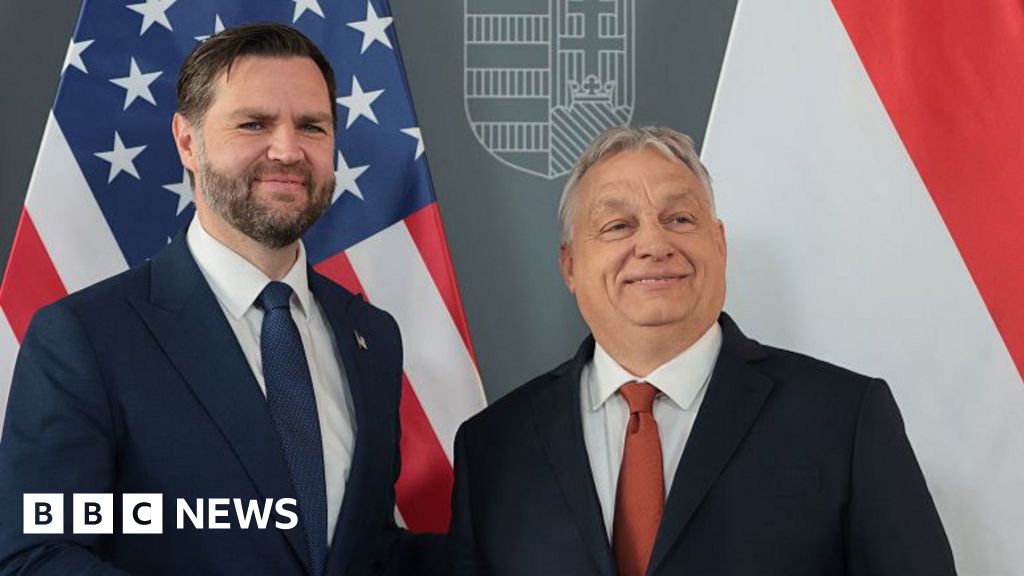
Speaking in Budapest just days before Hungary’s parliamentary elections scheduled for 12 April, Vance claimed that “bureaucrats in Brussels” were attempting to undermine Hungary’s sovereignty and economy, describing EU actions as “disgraceful interference.” According to reporting by BBC News, his remarks reflect long-standing tensions between Hungary’s nationalist leadership and EU institutions, particularly over migration, rule-of-law concerns, and the war in Ukraine.
Vance’s visit marked a significant break from diplomatic convention, as he directly endorsed Orbán and urged Hungarian voters to support his re-election bid. At a rally, he praised Orbán as a defender of “Western civilisation,” reinforcing ideological alignment between Hungary’s leadership and conservative figures in the United States.
The timing of the visit is especially sensitive. Orbán is seeking a fifth consecutive term but faces mounting pressure from opposition leader Péter Magyar. Analysts cited by BBC News suggest this election could be the most competitive Hungary has seen in over a decade, heightening scrutiny over any perceived external influence.
Critics have been quick to condemn Vance’s intervention, arguing that his endorsement of Orbán contradicts his accusations against the EU. Magyar and other opposition figures described the visit as inappropriate foreign involvement in Hungary’s democratic process, warning it could further polarise voters.
Beyond election rhetoric, Vance also criticised EU sanctions and defended Hungary’s energy cooperation with Russia, arguing that current policies have strained European economies. These comments highlight broader divisions between nationalist governments and EU leadership, as well as shifting dynamics in transatlantic relations.
As Hungary approaches a tightly contested election, Vance’s visit has intensified debate over sovereignty, foreign influence, and the future of democratic norms in Europe.





















.jpeg)





































