
Venezuela Overhauls Military Leadership in Sweeping Command Shake-Up
Venezuela’s interim president has carried out a sweeping overhaul of the country’s top military leadership, replacing senior commanders in a move that underscores a broader consolidation of power following the removal of former president Nicolás Maduro.
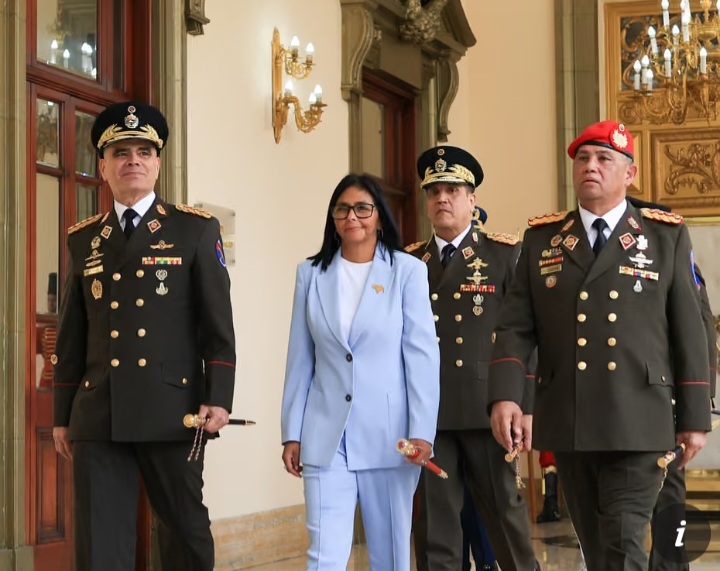
According to reporting by The Guardian, interim leader Delcy Rodríguez announced the changes shortly after dismissing the long-serving defence minister, General Vladimir Padrino López, a key ally of Maduro who had held the position for more than a decade.
The shake-up was confirmed in a social media post, where Rodríguez declared: “I announce the designation of the renewed military high command.”
The announcement signalled a decisive break from the previous administration, with multiple senior figures linked to Maduro being removed from their posts.
Padrino López, widely seen as one of Maduro’s closest military confidants, had been instrumental in maintaining the former leader’s grip on power. His dismissal marks one of the most significant changes within Venezuela’s armed forces since the US-backed operation that led to Maduro’s ousting earlier this year.
Rodríguez has since appointed new figures to key roles, including a former intelligence chief to lead the defence ministry, in what analysts view as an effort to tighten control over the military during a fragile political transition.
The leadership changes come alongside broader reforms under the interim government. Authorities have introduced an amnesty that has resulted in the release of several political prisoners detained under Maduro’s rule, a move aimed at signalling a shift toward reconciliation.
Despite these developments, Venezuela continues to grapple with a deep economic crisis. The country possesses some of the world’s largest proven oil reserves, yet years of mismanagement, sanctions and political instability have left the economy in a state of collapse, with widespread shortages of basic goods.
Rodríguez now faces the challenge of stabilising both the military and the economy, while navigating international pressure and internal divisions. The restructuring of the armed forces is likely to play a crucial role in determining whether her administration can maintain control during this volatile period.





















.jpeg)





































